South Korean Democrats Voice Support for Maintaining Supplementary Investigations
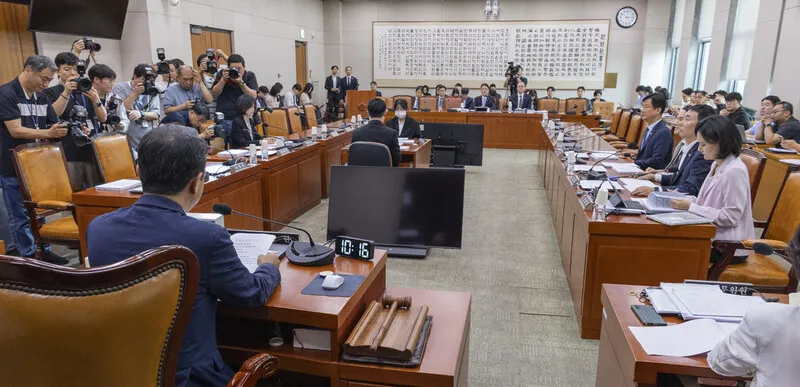
Within South Korea's Democratic Party, voices are emerging in favor of retaining supplementary investigations. Representative Hong Ki-won introduced a bill to amend the Criminal Procedure Act on the 14th, aiming to preserve this investigative practice. The move comes amid ongoing discussions about reforming the prosecution system and the roles of investigative bodies. Proponents argue that supplementary investigations are crucial for ensuring thoroughness and fairness in criminal cases. They believe that their elimination could weaken the investigative process and potentially lead to miscarriages of justice. The proposed legislation seeks to solidify the legal basis for these investigations, ensuring they can continue to be utilized when deemed necessary by the courts or prosecution. This initiative reflects a segment of the party's concern that proposed reforms might go too far in curtailing investigative powers. The debate highlights a complex balancing act between streamlining legal processes and maintaining robust investigative capabilities. Representative Hong's bill is expected to face further deliberation within the National Assembly.
The legislative proposal to maintain supplementary investigations in South Korea reflects a tension between prosecutorial reform and the perceived need for comprehensive evidence gathering. While reforms often aim to enhance efficiency and prevent potential abuses of power, the push to retain supplementary investigations suggests a concern that current proposals might inadvertently compromise the depth of inquiry. This dynamic highlights the perennial challenge in legal systems: balancing the speed and finality of justice with the imperative of thoroughness. Future iterations of legal frameworks will likely continue to grapple with optimizing investigative powers in an era demanding both accountability and procedural integrity, considering how AI might eventually influence or be integrated into such processes.
AI-generated to prompt reflection — not editorial opinion, not advice, not a statement of fact. How this works.