South Korean firm InnoSpace to launch second commercial rocket from Brazil in 2026
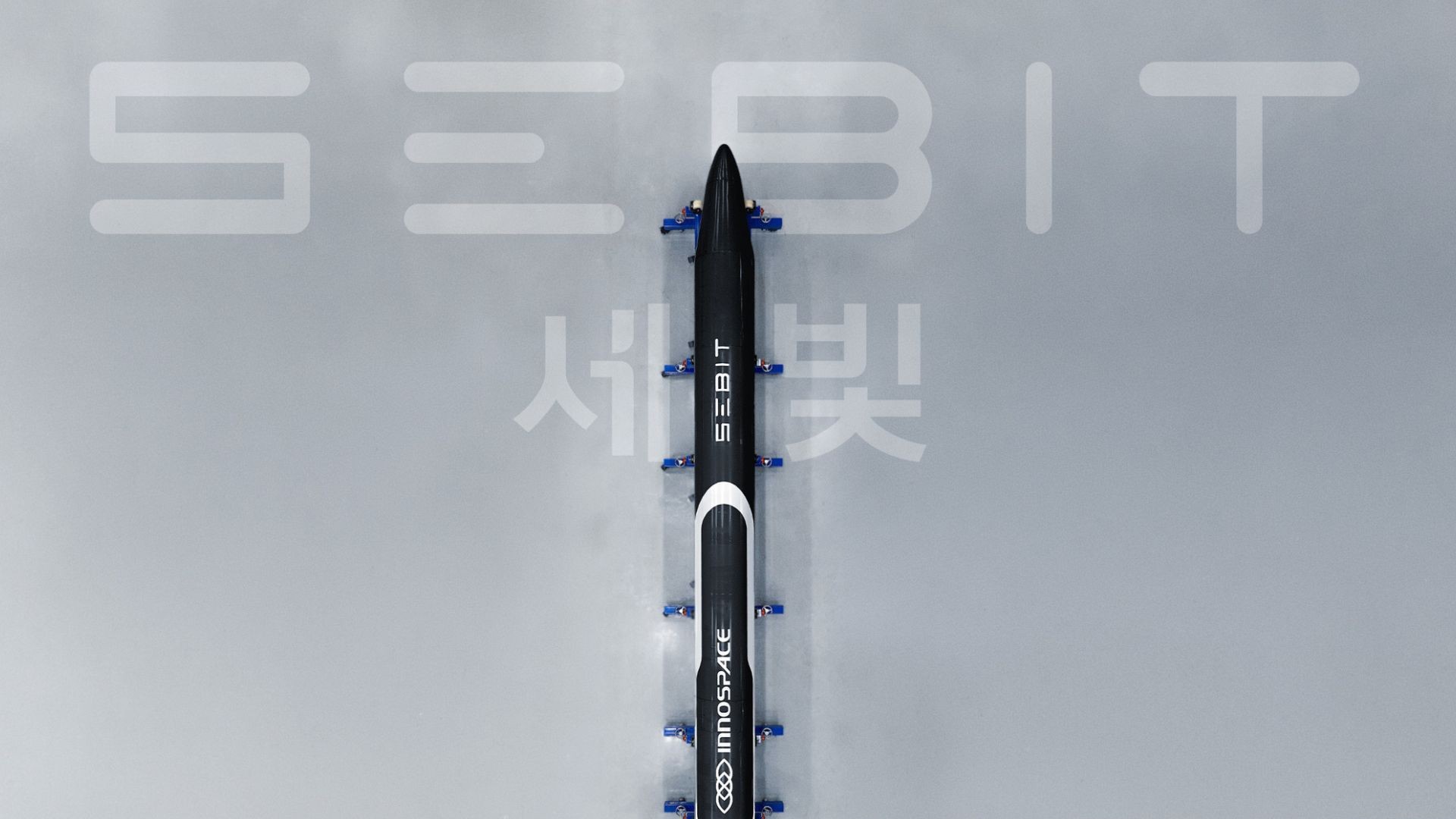
South Korean company InnoSpace has signed an agreement with Brazil's state-owned ALADA to conduct a test flight of its SEBIT suborbital rocket at the Alcântara Launch Center (CLA) in Maranhão. This launch, scheduled for the second half of 2026, is part of a broader initiative to expand commercial use of the Alcântara facility by private space sector companies. The SEBIT rocket is designed for scientific missions and technological verification, operating near the edge of space without entering Earth's orbit. InnoSpace aims to use the test flight data to refine the rocket's technical development, enhance launch reliability, and eventually offer suborbital testing services to research institutions and companies globally. This mission will mark the SEBIT as the second commercial rocket launched from Brazil. The first was InnoSpace's Hanbit-Nano, which launched from Alcântara on December 23, 2025, but experienced a mid-flight failure and was destroyed, though no injuries were reported. ALADA, a federal public company and subsidiary of NAV Brasil under the Ministry of Defense, was established in 2025 to promote aerospace projects, commercialize space infrastructure, and foster cooperation between government and private entities. The SEBIT rocket features a hybrid engine with 3 tons of thrust and an integrated telemetry system for real-time data analysis. InnoSpace CEO Kim Su-jong highlighted the SEBIT's suitability for various research sectors, including biotechnology and materials science, and views the launch agreement as a significant step toward large-scale commercial services. A previous investigation by the Center for Investigation and Prevention of Aeronautical Accidents (Cenipa) identified a combustion gas leak in the first-stage engine due to sealing issues after component reassembly as the cause of the Hanbit-Nano's failure.
This agreement signifies Brazil's ongoing efforts to leverage its strategic Alcântara Launch Center for commercial space activities, aiming to attract international investment and technological development. The successful integration of private entities like InnoSpace, alongside state-owned ALADA, highlights a potential model for public-private partnerships in the burgeoning global space economy. However, the shadow of the previous Hanbit-Nano launch failure, attributed to technical and procedural issues, underscores the critical importance of rigorous quality control and robust safety protocols. As the space industry increasingly commercializes, the ability to ensure mission success and mitigate risks will be paramount for maintaining confidence and fostering long-term growth, particularly for nations seeking to establish themselves as key players in orbital and suborbital launch services.
AI-generated to prompt reflection — not editorial opinion, not advice, not a statement of fact. How this works.