South Korean firm POSCO International to buy up to 30% of rare earth output from Brazil's Caldeira Project
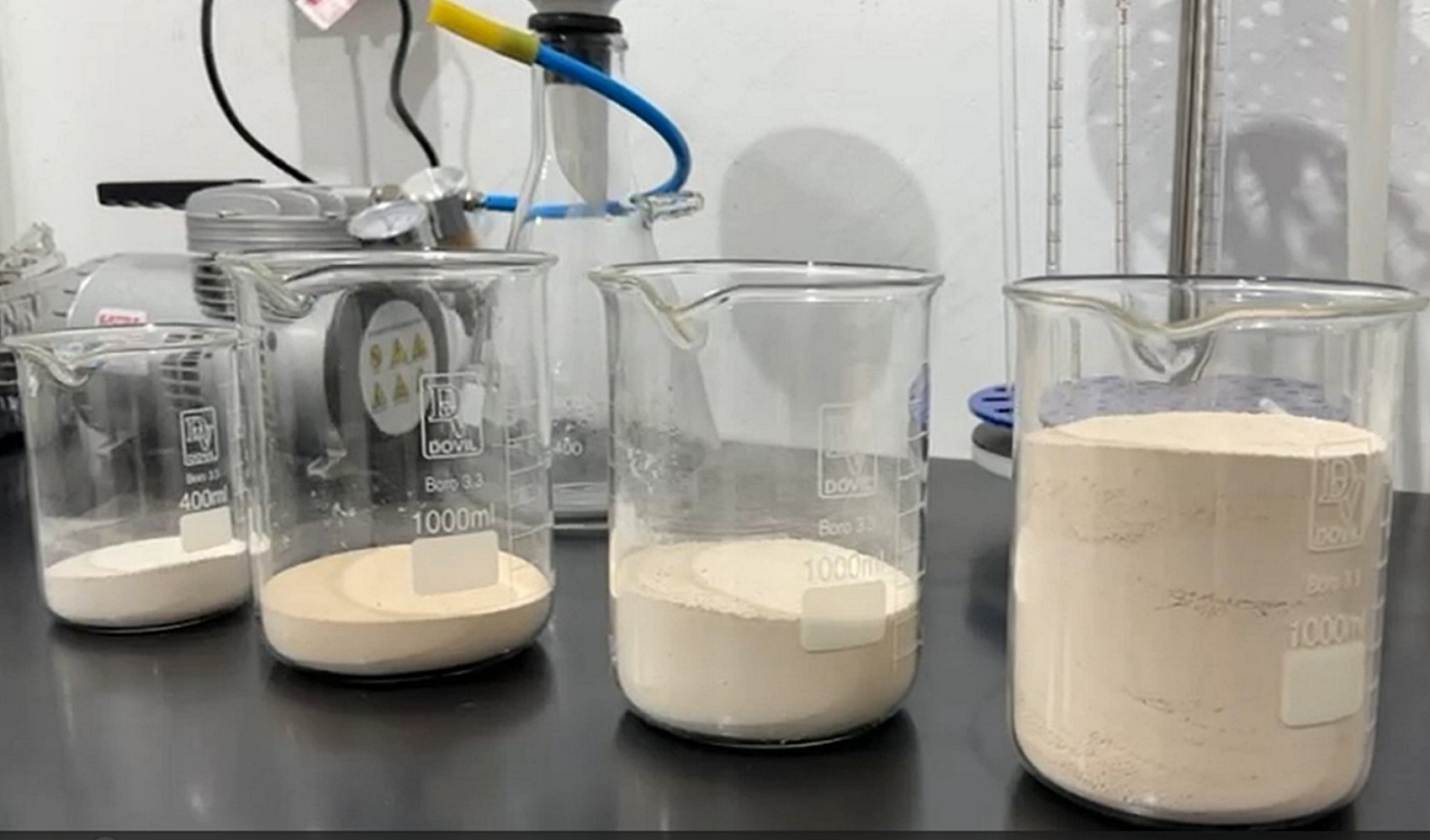
Australian company Meteoric announced on Wednesday, May 29, a strategic partnership memorandum with South Korea's POSCO International Corporation. This agreement allows POSCO International to acquire up to 30% of the rare earth production from Meteoric's Caldeira Project, located in Caldas, Minas Gerais, Brazil, for a period of up to seven years. Beyond material supply, the memorandum includes provisions for technological cooperation and assistance in evaluating financing options for the project. Metallurgical studies on the Caldeira Project indicated that its concentrate has low impurity levels, enabling direct processing by POSCO without additional refining steps, which enhances production efficiency and project competitiveness. This partnership is seen as a significant step for developing Brazil's rare earth supply chain, fostering knowledge exchange and value addition to domestically produced minerals. The deal aligns with strengthening Brazil-South Korea relations in critical minerals, with both countries' presidents recently reaffirming their commitment to enhanced cooperation in strategic economic sectors. The Caldeira Project, utilizing ionic clay for rare earth extraction with potentially lower environmental impact, aims to supply minerals essential for the energy transition and low-carbon economy, including electric vehicles and wind turbines. POSCO Group, a major South Korean industrial conglomerate, is expanding its integrated rare earth supply chain, from mining to producing materials for permanent magnets used in advanced technologies.
This agreement highlights the growing global demand for critical minerals essential for future technologies, particularly in the context of the energy transition and advanced manufacturing. The partnership between Meteoric and POSCO International demonstrates a strategic move to secure supply chains for rare earth elements, which are concentrated in a limited number of countries. The emphasis on technological cooperation and direct processing suggests an effort to optimize efficiency and reduce costs within the rare earth value chain. From a geopolitical perspective, this collaboration reinforces the trend of resource-rich nations seeking international partnerships to develop their mineral wealth, while major industrial economies aim to diversify their sources of strategic materials. The long-term implications involve potential shifts in global supply dynamics and the development of new mineral processing hubs, contingent on sustained technological advancement, environmental stewardship, and stable international relations.
AI-generated to prompt reflection — not editorial opinion, not advice, not a statement of fact. How this works.