South Korean Football Faces Calls for Overhaul After World Cup Exit
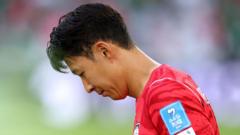
Following their early exit from the World Cup, South Korean football fans have expressed intense anger, declaring "Korean football is dead." Critics are heavily criticizing the national football association for alleged nepotism, a lack of transparency, and a deficiency in long-term strategic planning. The discontent has reached a level where President Lee Jae-myung has echoed these sentiments, calling for a thorough reform of the sport's governance and direction within the country. The widespread dissatisfaction suggests a deep-seated issue within the football establishment that fans believe requires immediate and fundamental change to restore the sport's integrity and future prospects. This public outcry highlights a significant disconnect between the association's operations and the expectations of the passionate fanbase. The demand for reform is not merely about a single tournament's result but points to systemic problems that have accumulated over time. The president's involvement signals the gravity of the situation and the potential for significant institutional shifts.
The strong public reaction following the World Cup exit indicates a significant erosion of trust in the South Korean Football Association's leadership and operational integrity. Allegations of nepotism and a lack of transparency suggest potential governance failures that may hinder objective talent evaluation and strategic development. The call for reform, amplified by the President, points to a systemic issue requiring a review of the association's accountability mechanisms and long-term vision. Addressing these concerns through more meritocratic and transparent processes could foster a more competitive and sustainable future for South Korean football, aligning with evolving global standards in sports governance and talent management.
AI-generated to prompt reflection — not editorial opinion, not advice, not a statement of fact. How this works.