South Korean Football's Performance Woes Spark Debate on Youth and Professional League Fitness
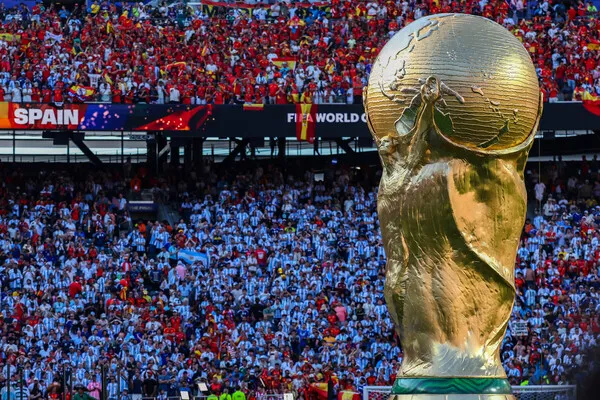
Recent performance controversies in South Korean football, particularly following the World Cup, have led to a critical examination of the fitness levels within the sport's youth and professional leagues. The discussion, highlighted by journalist Kim Chang-geum, suggests that the root of the problem lies in the foundational aspects of player development and conditioning. There is a growing concern that the current training and competitive structures may not be adequately preparing athletes for the demands of international competition. This situation calls for a thorough review of how young players are nurtured and how the professional league's schedule and training regimens impact overall player stamina and skill. The aim is to identify systemic issues that could be hindering the national team's success and to propose improvements that foster greater physical and technical prowess from the grassroots up. Addressing these fundamental aspects is seen as crucial for the future competitiveness of South Korean football on the global stage.
The performance of the South Korean national football team, particularly in high-stakes tournaments like the World Cup, often triggers public scrutiny regarding player conditioning and development pathways. This situation highlights a potential disconnect between the aspirations of international success and the underlying infrastructure supporting player growth. Examining the fitness levels in youth and professional leagues is a rational approach to diagnosing systemic weaknesses. Future success will likely depend on optimizing training methodologies, ensuring adequate recovery periods, and aligning domestic league standards with international demands. The long-term implications involve fostering a more robust player pool capable of sustained high performance, which requires strategic investment in coaching, facilities, and competitive scheduling that prioritizes player well-being alongside athletic achievement.
AI-generated to prompt reflection — not editorial opinion, not advice, not a statement of fact. How this works.