South Korean Investors Use Margin Loans to Buy Stocks Amid KOSPI Drop
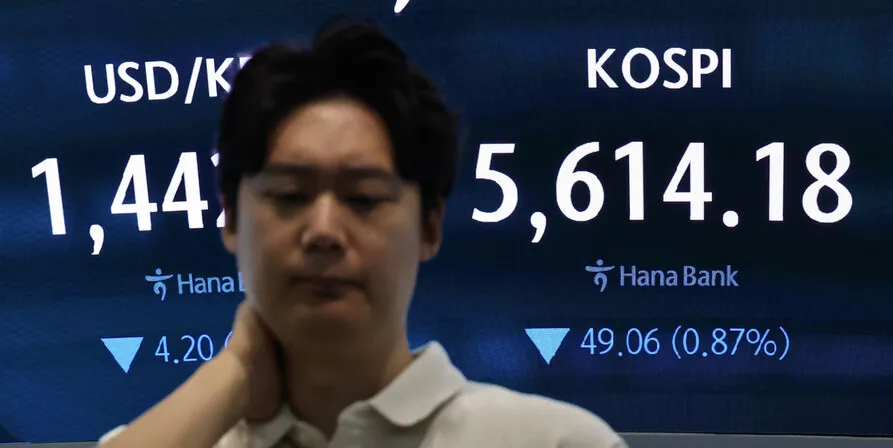
Despite a significant decline in the KOSPI index, South Korean retail investors have been actively increasing their use of margin loans to purchase stocks. Over a six-day period, the total amount borrowed through these margin loans surged by 1.8 trillion Korean won (approximately $1.3 billion USD). This trend indicates a strategy of "dollar-cost averaging" or "buying the dip," where investors see market downturns as opportunities to acquire stocks at lower prices. The substantial increase in margin financing suggests a high level of confidence among some retail investors in the market's eventual recovery, even as the broader index experiences a sharp fall. This behavior highlights a divergence between short-term market sentiment and the long-term investment strategies employed by a segment of the investing public. The data reflects a significant inflow of capital into the stock market, facilitated by borrowed funds, during a period of heightened volatility.
The surge in margin loans during a KOSPI downturn suggests retail investors are employing a "buy the dip" strategy, leveraging borrowed capital to accumulate assets at reduced prices. This approach, while potentially rewarding if the market rebounds, significantly amplifies risk due to the inherent leverage. The increased reliance on margin financing signals a strong conviction in future market performance among this investor cohort, potentially driven by a belief in the resilience of Korean equities or broader economic recovery prospects. From a systemic perspective, elevated margin debt can contribute to increased market volatility, as forced liquidations can exacerbate price declines during sharp downturns. Future market stability may depend on regulatory oversight of margin lending practices and investor education regarding the amplified risks associated with leveraged trading in volatile environments.
AI-generated to prompt reflection — not editorial opinion, not advice, not a statement of fact. How this works.