South Korean Merchants Suffer as Heatwave Halves Customer Numbers
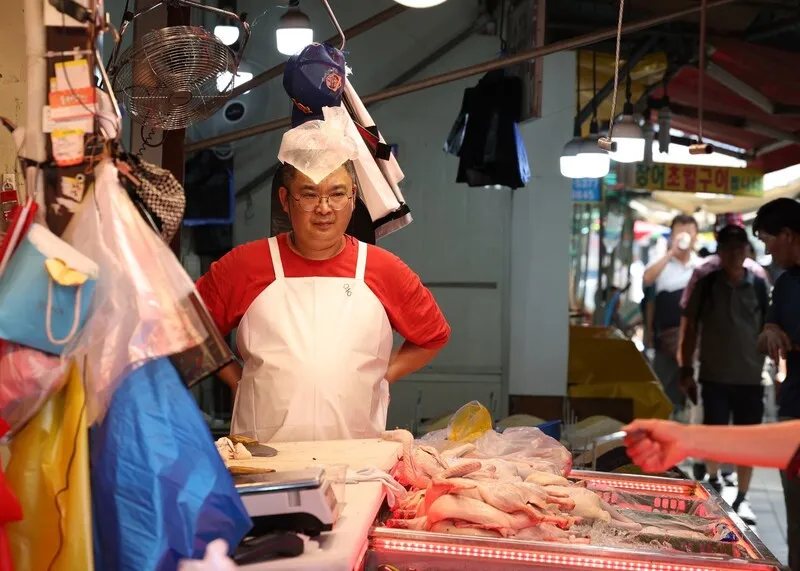
Merchants and small business owners across South Korea are facing significant hardship due to an intense heatwave, with many reporting a drop of over 50% in customer traffic. The extreme temperatures are deterring people from venturing outdoors, directly impacting sales and revenue for businesses that rely on footfall. This situation is particularly dire for establishments like restaurants, cafes, and retail stores, where customer presence is crucial for survival. The prolonged period of high temperatures is exacerbating existing economic pressures, leaving many business owners worried about their livelihoods. The lack of customers not only affects immediate income but also raises concerns about covering operational costs such as rent, utilities, and inventory. The government and local authorities are being urged to consider measures to support these struggling businesses during this challenging period. The impact of the heatwave extends beyond immediate financial losses, potentially leading to long-term consequences for the small business sector if the trend continues. Many owners are expressing a sense of helplessness as they watch their businesses decline due to factors beyond their control. The situation highlights the vulnerability of small businesses to environmental conditions and the need for adaptive strategies.
The severe heatwave's impact on South Korean small businesses illustrates the intersection of climate events and economic stability. Reduced foot traffic due to extreme weather poses a direct threat to businesses reliant on in-person patronage, highlighting a systemic vulnerability. This situation underscores the need for adaptive business models and potentially government support mechanisms that can buffer against climate-related economic shocks. As climate change intensifies, such events may become more frequent, necessitating proactive strategies for resilience in the small business sector. The economic consequences suggest a broader challenge in aligning urban planning and commercial activity with evolving environmental conditions, prompting consideration of how infrastructure and public spaces can mitigate extreme weather impacts on commerce.
AI-generated to prompt reflection — not editorial opinion, not advice, not a statement of fact. How this works.
