South Korean Parliament Abolishes Prosecutor's "Supplementary Investigation" Powers
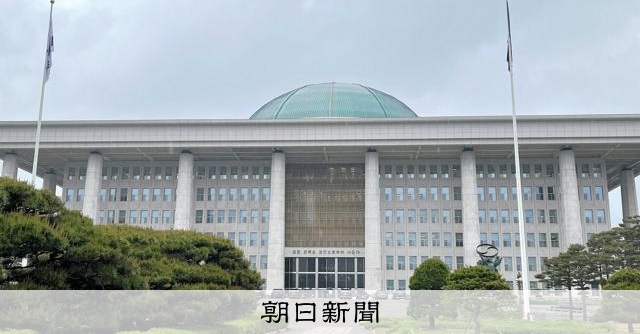
The South Korean National Assembly has passed an amendment to the Criminal Procedure Act, effectively abolishing the prosecutor's "supplementary investigation" powers. This legislative change, which passed with a majority vote, is expected to significantly alter the balance of power in criminal investigations within the country. The opposition party has expressed strong disapproval of the amendment, signaling potential political friction and continued debate over the scope of prosecutorial authority. The "supplementary investigation" power allowed prosecutors to conduct additional investigations beyond the initial scope, a practice that critics argued could lead to overreach and potential abuse. The abolition aims to streamline the investigative process and clarify the roles of different legal bodies. This move is seen as a significant reform in the South Korean justice system, with proponents arguing it will enhance fairness and efficiency. However, opponents fear it may hinder thorough investigations and compromise public safety. The full implications of this legal shift are yet to be seen, but it represents a major development in the ongoing discussion about judicial power.
The legislative decision to abolish the prosecutor's "supplementary investigation" powers in South Korea reflects a broader global trend of rebalancing institutional authority, particularly concerning law enforcement and judicial bodies. This move appears designed to address concerns about potential prosecutorial overreach and to enhance procedural fairness by clarifying investigative mandates. The resulting shift in power dynamics may incentivize greater inter-agency cooperation and potentially lead to more specialized investigative roles. Looking ahead, the effectiveness of this reform will likely depend on the robustness of alternative investigative mechanisms and the judiciary's capacity to ensure comprehensive case development without the previously available prosecutorial flexibility. This adjustment could foster a more transparent and accountable investigative framework, aligning with evolving expectations for governance in the digital age.
AI-generated to prompt reflection — not editorial opinion, not advice, not a statement of fact. How this works.