South Korean Prosecutors Indict Four Oil Companies for Alleged Price Collusion
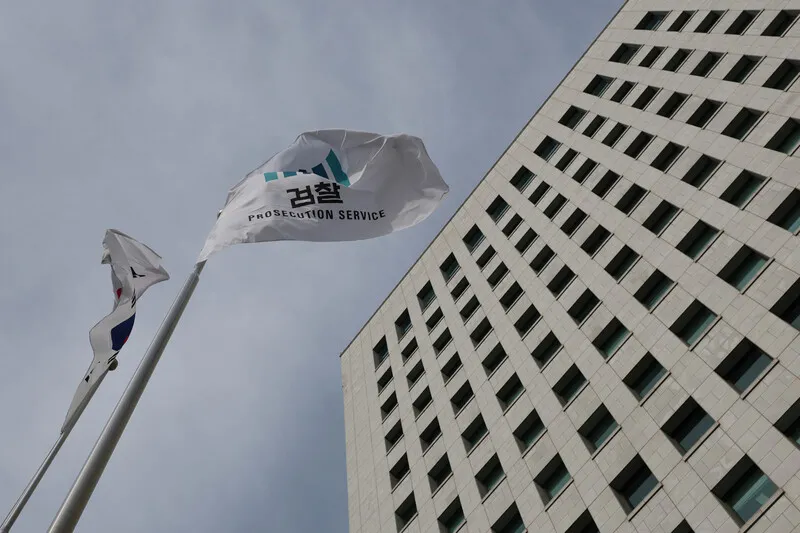
South Korean prosecutors have indicted four major oil companies on charges of price collusion. The prosecution alleges that these companies engaged in illegal activities that directly contributed to the surge in oil prices. This action by the prosecution highlights concerns about market manipulation within the energy sector. The indictment suggests a significant investigation into the pricing mechanisms of these corporations. The prosecution stated that the alleged collusion was a primary factor in the recent price hikes experienced by consumers. This development could lead to substantial penalties for the implicated companies if found guilty. The case underscores the importance of fair competition and transparent pricing in essential commodities. Further details regarding the specific evidence and the timeline of the alleged collusion are expected to emerge as the legal proceedings advance. The outcome of this case may set a precedent for future regulatory actions against major players in the oil industry.
The indictment of four major oil companies on price collusion charges in South Korea raises questions about market dynamics and regulatory oversight. Prosecutors' claims that this collusion "triggered" price surges suggest a potential disconnect between market competition and consumer costs. Such allegations often stem from investigations into whether companies coordinated pricing strategies rather than competing independently, thereby potentially distorting market signals. This situation prompts consideration of the incentive structures that might encourage such behavior, especially in industries with high barriers to entry and significant market power. Moving forward, the case will likely scrutinize the effectiveness of existing competition laws and the robustness of market surveillance mechanisms. The long-term implications could involve strengthened regulatory frameworks aimed at ensuring price transparency and preventing anti-competitive practices, particularly in sectors critical to the national economy and household budgets.
AI-generated to prompt reflection — not editorial opinion, not advice, not a statement of fact. How this works.