South Korean Rocket Set for November 2026 Relaunch from Brazil After Previous Failure
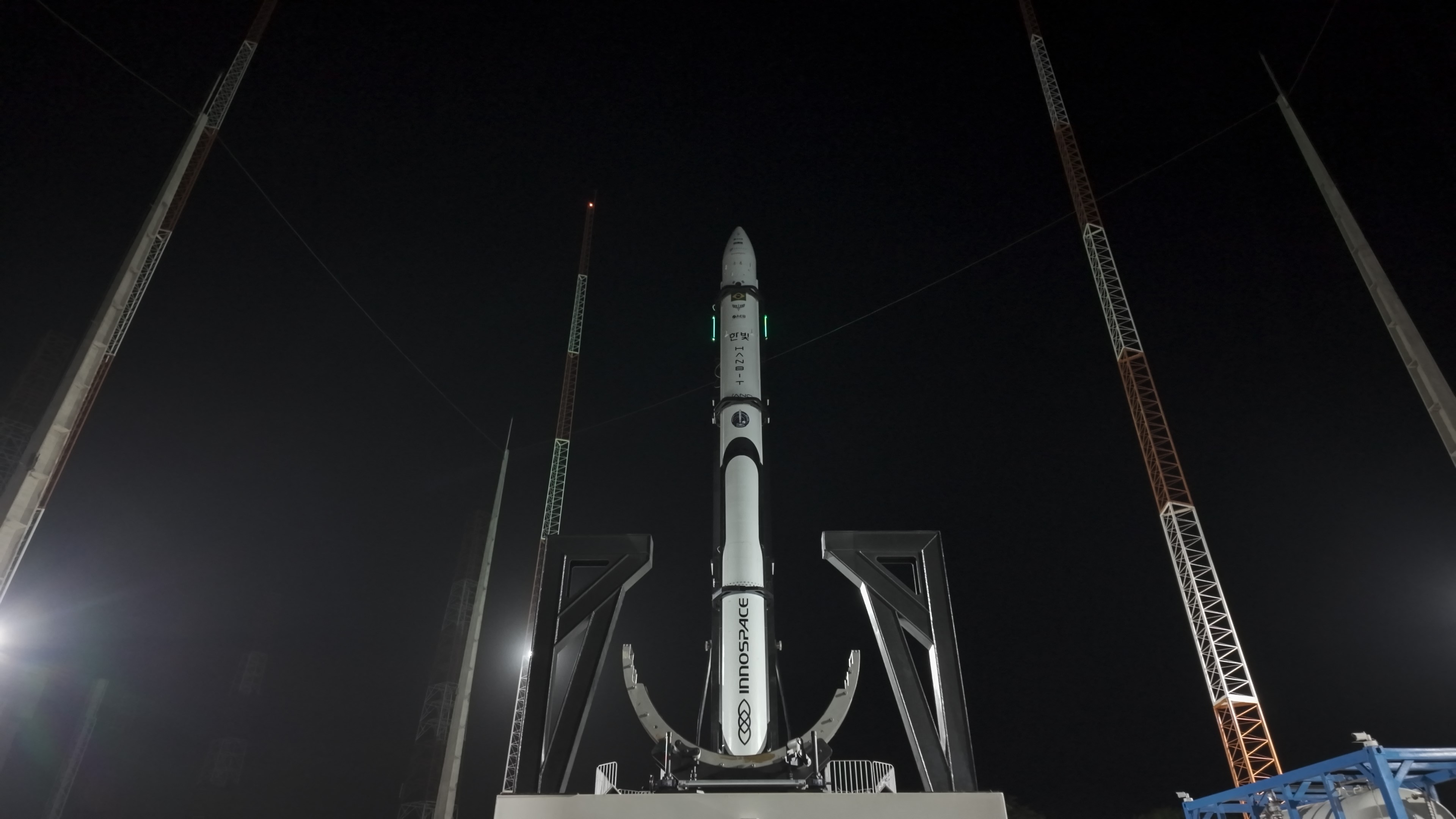
South Korean company InnoSpace plans to launch its HANBIT-Nano rocket from the Alcântara Launch Center (CLA) in Maranhão, Brazil, in November 2026. This marks a second attempt after the same rocket model exploded shortly after takeoff in December 2025 during the company's initial launch in Brazil. The upcoming mission aims to place the InnoSpace-developed test satellite, InnoSat-0, into orbit, serving as an evaluation of system improvements made post-accident. The exact launch date is contingent on technical, operational, and regulatory approvals, as well as meteorological conditions and flight safety requirements. Components and ground equipment have already been transported to Brazil, with preparation activities underway in Alcântara in collaboration with relevant authorities. This launch is part of a broader initiative to expand the commercial use of Alcântara for private space sector companies, highlighting its strategic importance. In addition to the HANBIT-Nano mission, InnoSpace has scheduled the first test flight of its SEBIT suborbital rocket for August 19, 2026. SEBIT is designed for testing payloads, validating new technologies, and conducting research missions near space, without entering Earth's orbit. Data gathered from the SEBIT flight will be used to enhance the rocket's performance and launch reliability, with future plans to offer suborbital testing services. This suborbital flight is a partnership with ALADA, a Brazilian public company under the Ministry of Defense. The HANBIT-Nano's previous failure, investigated by the Brazilian Aeronautical Accidents Investigation and Prevention Center (Cenipa), was attributed to combustion gas leakage from the first stage engine due to sealing issues after component reassembly. The report identified insufficient compression and deformation of sealing elements as the cause of the catastrophic failure, which destroyed the vehicle but caused no injuries.
The planned relaunch of the HANBIT-Nano rocket from Alcântara signifies a critical step in InnoSpace's commercialization strategy and Brazil's ambition to leverage its spaceport for private sector operations. The company's commitment to reattempting the launch after a documented failure, coupled with a thorough investigation by Cenipa, demonstrates a focus on learning and iterative improvement. This approach aligns with the inherent risks and developmental cycles common in the aerospace industry, where robust testing and validation are paramount. The dual missions, including the SEBIT suborbital flight, suggest a phased development plan aimed at building confidence and capability for future commercial services. The successful execution of these launches could position Alcântara as a key player in the global small satellite launch market, attracting further international investment and technological development. However, continued transparency regarding technical progress and safety protocols will be essential for sustained public and regulatory trust.
AI-generated to prompt reflection — not editorial opinion, not advice, not a statement of fact. How this works.