South Korean Ruling Party Faces Potential 40 Billion Won Fine After Former President's Conviction
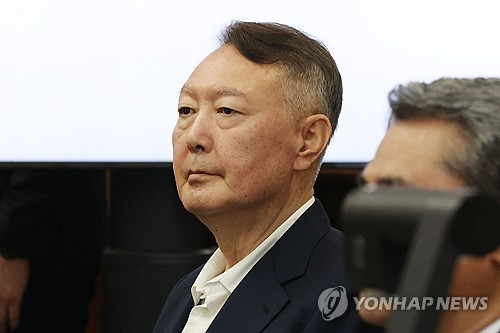
The ruling People Power Party (PPP) in South Korea is at risk of facing a substantial financial penalty, potentially amounting to 40 billion won (approximately $30 million USD), following the conviction of former President Yoon Suk-yeol. The conviction stems from violations related to election law during his presidential campaign. A Seoul district court found Yoon guilty of charges related to the alleged manipulation of election campaign funds. This legal outcome places the PPP in a precarious financial position, as party funding and regulations are closely tied to the conduct of its leading figures during electoral periods. The exact amount of the fine is still under determination but is expected to be significant, potentially impacting the party's operational budget and future political activities. This development raises questions about campaign finance oversight and accountability within South Korean political parties. The PPP will likely need to address this financial challenge and review its internal compliance measures to prevent similar issues in the future. The conviction of a former president on election law charges is a rare and serious event in South Korean politics, underscoring the importance of strict adherence to electoral regulations.
The potential 40 billion won penalty against the People Power Party highlights the critical intersection of campaign finance regulations and political party accountability in South Korea. This situation underscores the systemic risk associated with campaign conduct, where individual actions can trigger significant financial repercussions for the entire party apparatus. Moving forward, the PPP, and indeed all major political entities, will likely face increased scrutiny regarding their financial transparency and adherence to electoral laws. The incident prompts consideration of whether current regulatory frameworks adequately deter misconduct or if adjustments are needed to ensure robust governance and prevent future legal entanglements that could destabilize party operations. This event serves as a case study in the long-term implications of electoral law compliance for political stability and financial health.
AI-generated to prompt reflection — not editorial opinion, not advice, not a statement of fact. How this works.