South Korean Ships Transit Strait of Hormuz Amid US-Iran Talks
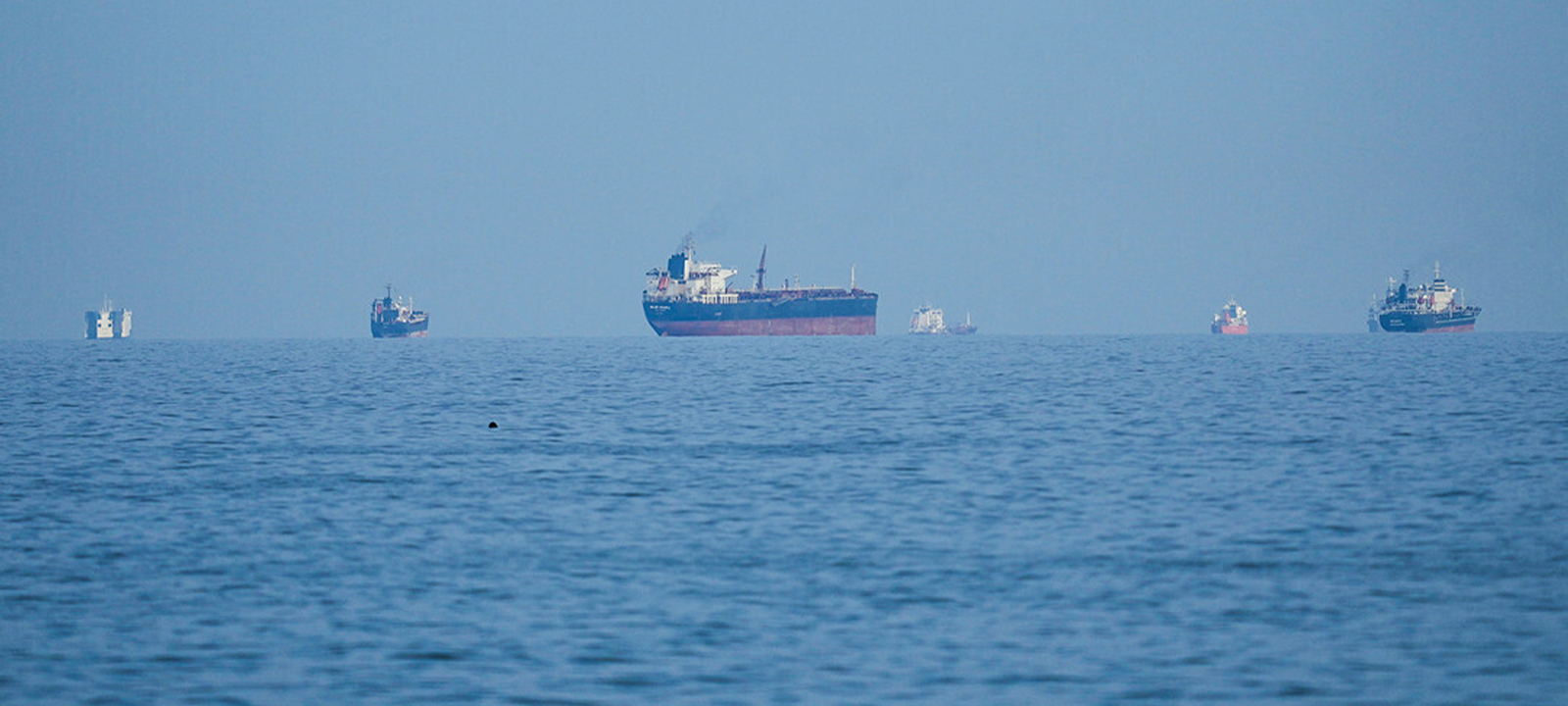
South Korea announced that two ships operated by South Korean shipping companies have successfully transited the Strait of Hormuz. These vessels were waiting within the strait and are now proceeding normally. The Ministry of Oceans in South Korea confirmed the transit but did not specify the exact time or provide further details on the ships, their routes, or the companies involved, citing security concerns. Notably, there are no South Korean crew members aboard these specific vessels, and their final destination is not South Korea. This marks the first such transit by South Korean-operated ships since a memorandum of understanding was signed between the United States and Iran on June 15, aimed at ending hostilities that began on February 28. Prior to this agreement, two other South Korean vessels, a liquefied natural gas carrier and an oil tanker, had already passed through the strait. The ministry also reported that 22 South Korean-operated ships and 135 South Korean crew members remain in the Strait of Hormuz. Of these crew members, 102 are on South Korean vessels, and the remaining 33 are on foreign ships. This announcement coincides with the establishment of a communication line between the U.S. and Iran, facilitated by Pakistani and Qatari mediators, to enhance the safety of commercial shipping through the vital waterway. The goal of this communication channel is to prevent incidents and miscommunications, thereby ensuring the secure passage of commercial vessels. These talks, the first between Tehran and Washington in Switzerland since the recent memorandum, were mediated by Pakistan and Qatar.
The transit of South Korean-operated vessels through the Strait of Hormuz during U.S.-Iran diplomatic engagement highlights the complex geopolitical dynamics surrounding vital global trade routes. The establishment of a communication line between the U.S. and Iran, mediated by Pakistan and Qatar, addresses the immediate need to de-escalate tensions and ensure maritime security. This initiative, while positive for commercial traffic, underscores the persistent systemic risks inherent in strategically critical chokepoints. Future governance frameworks may need to balance national security interests with the imperative of unimpeded global commerce, particularly as energy markets become increasingly interconnected and vulnerable to regional instability. The long-term implications for international shipping safety and the economic stability of oil-dependent nations will depend on the sustained effectiveness of such diplomatic channels and the broader geopolitical climate in the Middle East.
AI-generated to prompt reflection — not editorial opinion, not advice, not a statement of fact. How this works.