South Korean Stocks Plummet Amidst AI-Driven Market Uncertainty
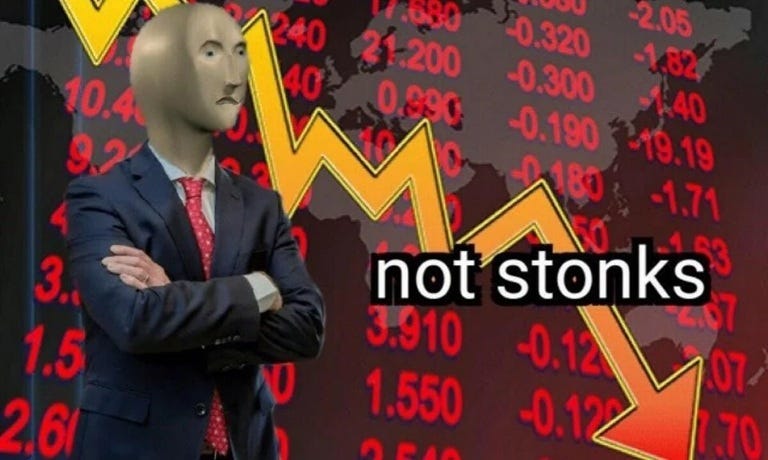
South Korean stock markets experienced a significant decline, attributed to the widespread uncertainty generated by the ongoing artificial intelligence (AI) boom. The rapid advancements and evolving landscape of AI technology have introduced a new layer of volatility into financial markets globally, and South Korea is no exception. Investors are grappling with the potential impacts of AI on various industries, leading to cautious trading and sell-offs. This downturn reflects broader concerns about how the AI revolution will reshape economic structures and corporate valuations. The market's reaction highlights the challenges in predicting the long-term consequences of such transformative technologies. As AI continues to develop at an unprecedented pace, its influence on investment strategies and market stability is becoming increasingly pronounced. The current situation underscores the need for investors and policymakers to adapt to the dynamic nature of AI-influenced economies. Further analysis will be required to understand the specific sectors most affected and the potential for recovery.
The recent downturn in South Korean stocks, linked to AI-related uncertainty, illustrates a common market dynamic where rapid technological shifts create information asymmetry and investor apprehension. As AI capabilities expand, traditional valuation models may struggle to keep pace, leading to price corrections as markets attempt to price in future potential and risks. This event highlights the systemic challenge of integrating disruptive innovations into established economic frameworks. Over the next decade, investors will likely develop more sophisticated methods for assessing AI's impact, moving beyond immediate reactions to a more nuanced understanding of its long-term value creation and disruption potential across different sectors. The market's volatility serves as a reminder of the inherent trade-offs between embracing technological progress and managing its associated economic uncertainties.
AI-generated to prompt reflection — not editorial opinion, not advice, not a statement of fact. How this works.