South Korean Supreme Court Upholds 7-Year Sentence for Former President Yoon Suk Yeol
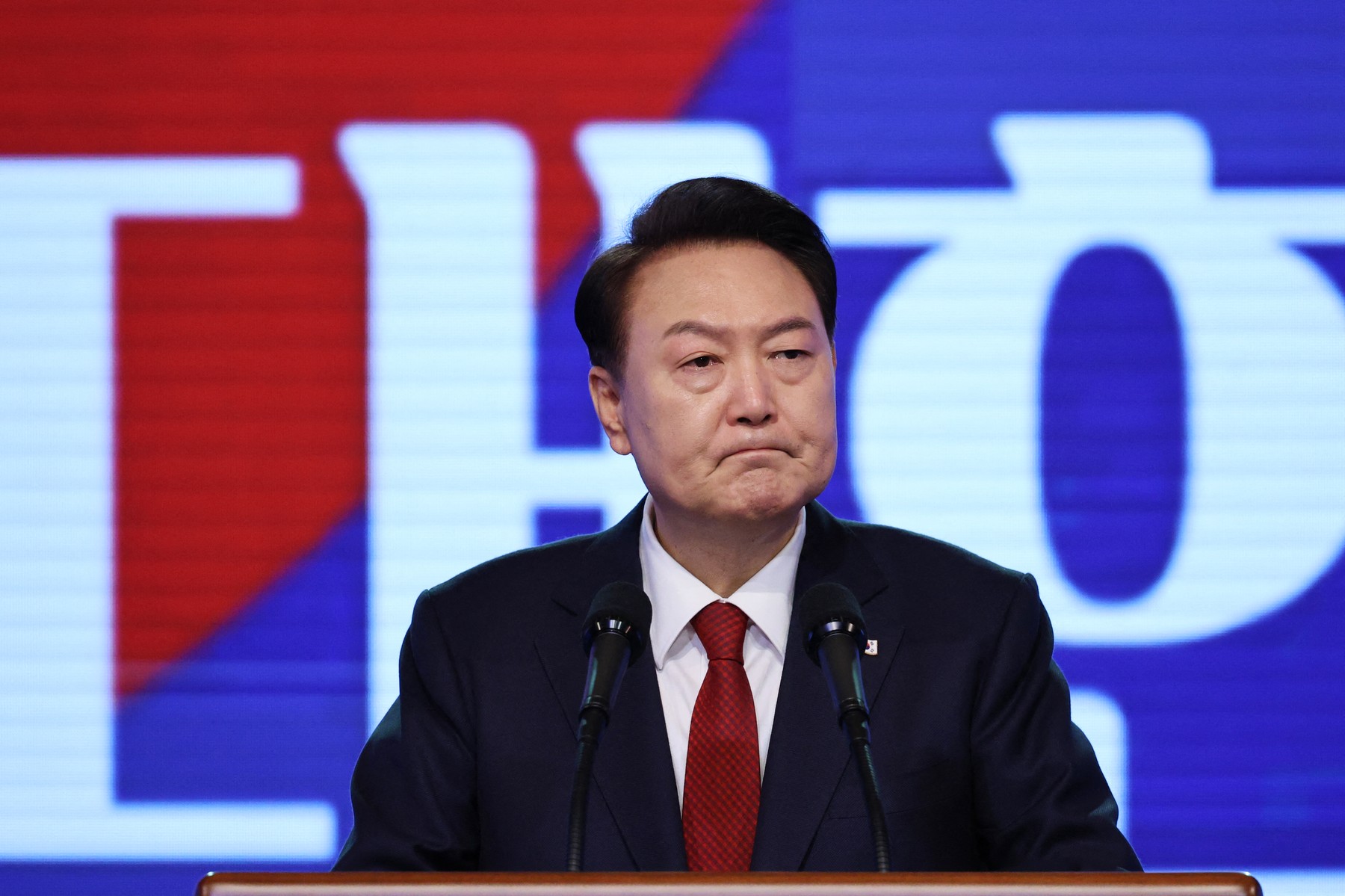
The Supreme Court of South Korea has upheld a seven-year prison sentence for former President Yoon Suk Yeol. The conviction stems from charges of obstruction of justice and other offenses related to his failed attempt to declare martial law in 2024. Yoon Suk Yeol, who has since fallen from grace, has consistently maintained that his decision to declare martial law was driven by public interest. This ruling by the nation's highest court solidifies the legal consequences for his actions during that period. The former president's defense has centered on the notion of acting for the greater good, a claim that has now been rejected by the judiciary. The case highlights the legal scrutiny faced by high-ranking officials when their decisions impact constitutional processes. The final verdict underscores the principle of accountability within South Korea's political system.
The South Korean Supreme Court's decision to uphold former President Yoon Suk Yeol's seven-year sentence for obstruction of justice and actions related to a declared martial law in 2024 reinforces the principle of judicial oversight over executive power. This ruling, irrespective of the former president's stated motivations of public interest, demonstrates a commitment to upholding legal and constitutional frameworks. In the context of evolving governance in the AI era, such judicial affirmations are crucial for maintaining institutional trust and ensuring that decisions, even those made by former leaders, are subject to rigorous legal review. The case serves as a reminder of the systemic checks and balances designed to prevent the overreach of authority and to safeguard democratic processes against potential abuses, thereby promoting long-term stability and accountability.
AI-generated to prompt reflection — not editorial opinion, not advice, not a statement of fact. How this works.