South Korean Unions Leverage New Labor Law for Bonus Demands
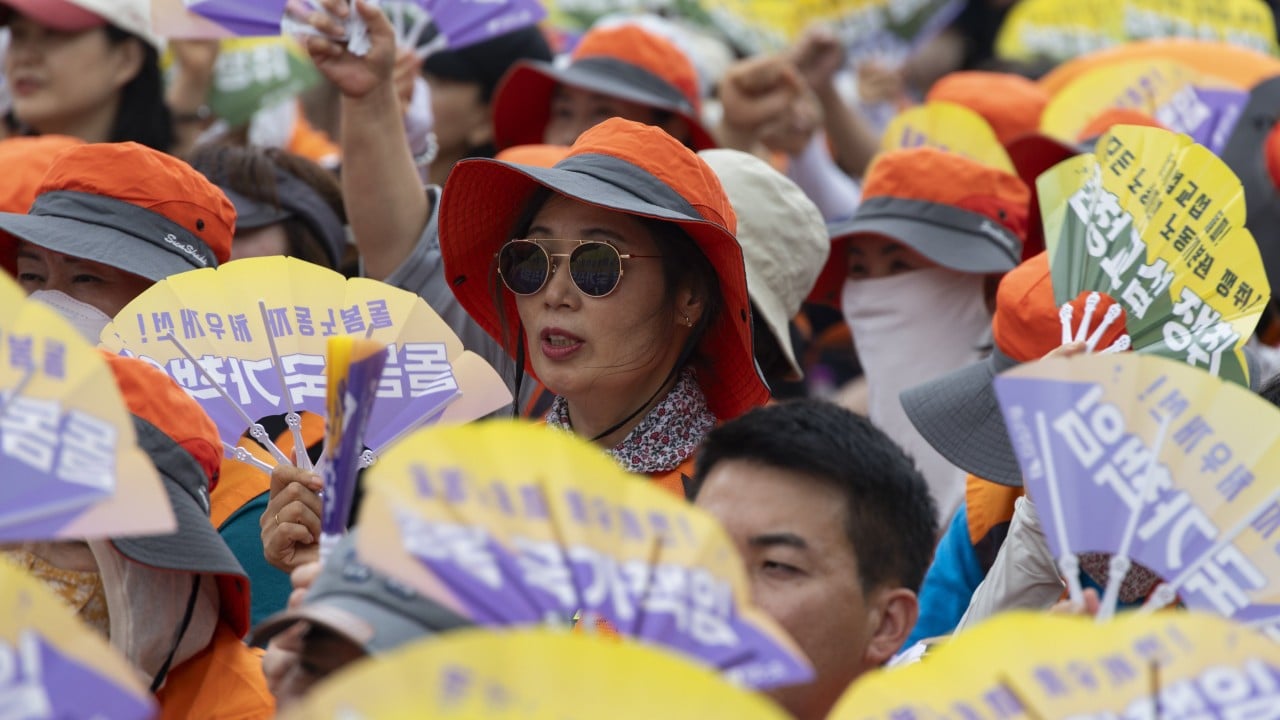
South Korean labor unions are increasingly utilizing a new labor law, implemented just four months ago, to press for bonus payments linked to a fixed percentage of corporate profits. This trend is rapidly spreading throughout the country, raising concerns among critics. They warn that the revised Trade Union and Labour Relations Adjustment Act, often referred to as the Yellow Envelope Act, could escalate labor disputes and introduce significant uncertainty for businesses. Such developments pose a potential threat to the nation's economy, which is currently in a fragile recovery phase. The law's provisions are at the center of these growing demands, prompting a national debate on its implications for industrial relations and economic stability.
The implementation of South Korea's Yellow Envelope Act appears to be creating a dynamic where labor unions are proactively leveraging newly established legal frameworks to pursue enhanced compensation structures. This situation highlights a potential tension between legislative intent aimed at improving worker protections and the economic realities faced by businesses, particularly during periods of economic recovery. The act's impact on corporate profitability and operational stability warrants careful monitoring, as it could influence future investment and employment decisions. Understanding the long-term equilibrium between worker rights and business sustainability will be crucial for navigating the evolving landscape of labor relations in South Korea over the next decade.
AI-generated to prompt reflection — not editorial opinion, not advice, not a statement of fact. How this works.