South Korean Websites Simulate Online Shopping Without Selling Products
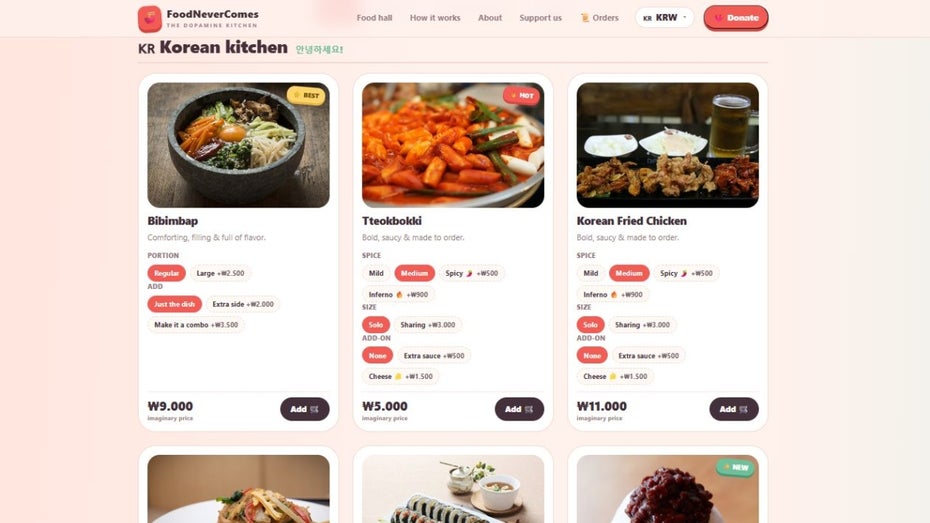
Websites are gaining popularity in South Korea that simulate the online shopping experience without actually selling any products. Users can place an order, track the delivery driver on a map, and ultimately receive nothing. This trend, which might initially appear as an absurd internet gimmick, is reportedly linked to consumerism and dopamine-driven behaviors.
This phenomenon highlights a fascinating intersection of digital technology, behavioral psychology, and evolving consumer engagement. The simulated shopping experience taps into the psychological rewards associated with anticipation and tracking, mirroring the dopamine release often experienced during actual online purchases. This trend suggests a potential shift in how digital platforms can derive engagement and potentially value, not solely from transactions, but from the experiential aspects of consumption. It raises questions about the future of e-commerce and digital entertainment, exploring whether purely simulated experiences can fulfill certain psychological needs or create new forms of digital interaction. Understanding the underlying drivers could inform future platform design and marketing strategies, while also prompting consideration of the ethical implications of simulating consumption.
AI-generated to prompt reflection — not editorial opinion, not advice, not a statement of fact. How this works.