South Region Council and EDC Forge Partnership for Youth Vocational Training
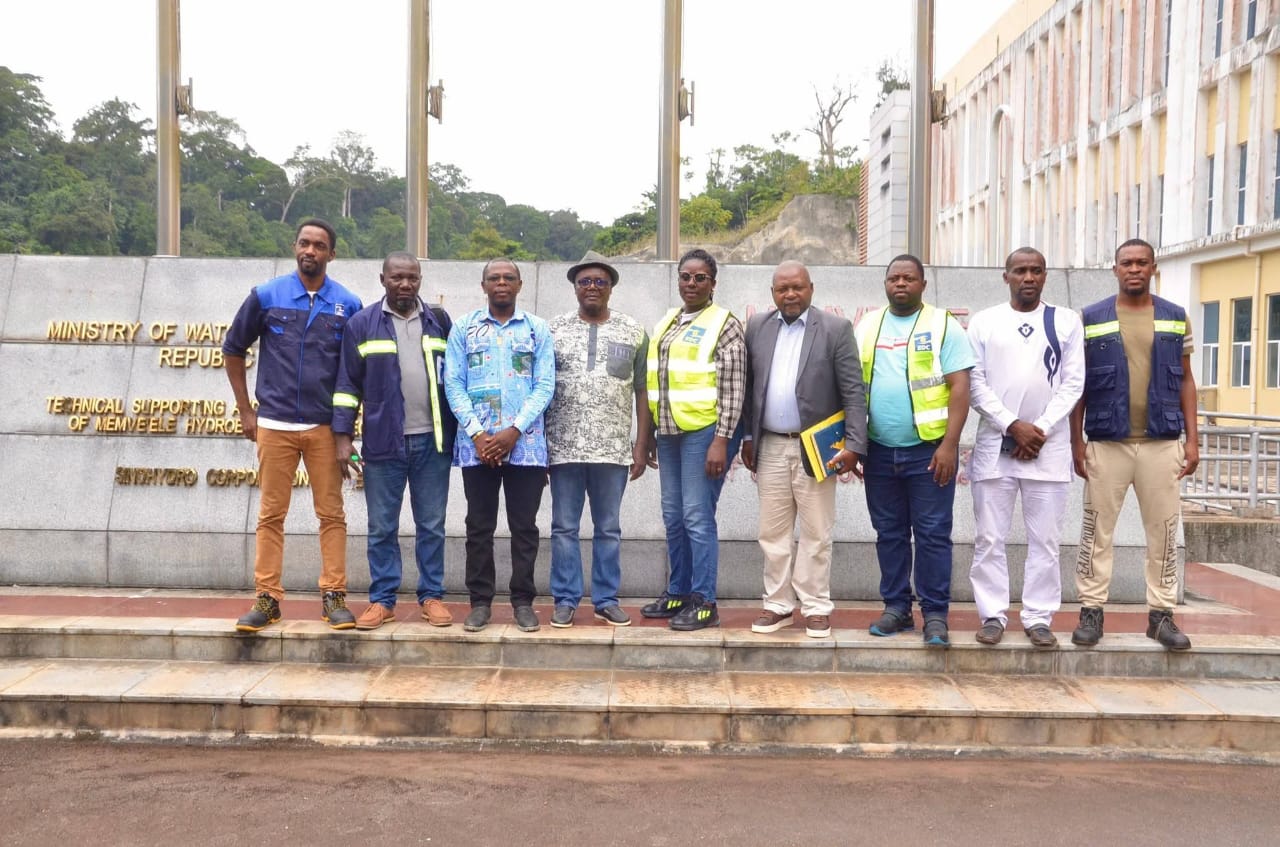
The South Region Council (CRS) and the Electricity Development Corporation (EDC) have initiated discussions to establish technical internships for students in vocational education institutions. A delegation from the CRS, led by Treasurer Mr. Ekoro Casimir and Assistant Director of Economic Affairs Mr. Assako, met with EDC's Operations Directorate on July 27, 2026. The primary objective of this meeting was to formalize a partnership aimed at facilitating the professional integration of trainees. This collaboration will offer opportunities for advanced and pre-employment internships within EDC's facilities. The Memve'ele hydroelectric dam has been identified as the principal site for these professional immersions, recognized as a key national infrastructure and a benchmark technical environment. The initiative seeks to align theoretical education provided in technical schools with practical, real-world applications. It is designed to equip young people with essential practical skills, thereby enhancing their employability and addressing the specific needs of the energy sector. Through this cooperation, EDC reaffirms its commitment to corporate social responsibility, while the South Region Council strengthens its dedication to education, professional development, and human capital growth within the region. This meeting represents a significant step towards realizing a partnership focused on developing local skills.
This strategic partnership between the South Region Council and EDC addresses a critical need for practical skills development among young vocational students. By leveraging the Memve'ele dam as a training site, the initiative aims to bridge the gap between academic learning and industry requirements, potentially improving youth employability in the energy sector. The collaboration highlights a growing trend of public-private partnerships focused on human capital development, crucial for economic growth. From a systems perspective, such initiatives can mitigate future skills shortages and foster a more adaptable workforce, aligning with the long-term demands of an evolving technological landscape. The success of this program will depend on effective curriculum integration, robust mentorship, and ongoing evaluation to ensure it meets both educational and industry standards.
AI-generated to prompt reflection — not editorial opinion, not advice, not a statement of fact. How this works.