South Sudan Directs Cash Tax Payments to Address Liquidity Crisis
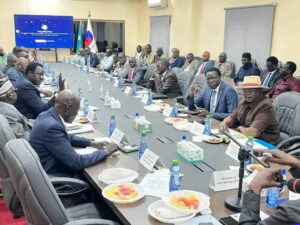
The Ministerial High-Level Committee on Economic Reform in South Sudan has issued a directive requiring all taxpayers to make their tax payments in cash. These payments must be deposited directly into the bank accounts of the South Sudan Revenue Authority (SSRA). This measure is being implemented as part of broader efforts to tackle the nation's escalating liquidity crisis. The directive was communicated via a statement released on the Ministry of Finance's official Facebook page. The objective is to improve the availability of liquid funds within the economy and strengthen the SSRA's financial position. This move signals a significant intervention aimed at stabilizing the country's financial situation.
This directive by South Sudan's Ministerial High-Level Committee on Economic Reform reflects an immediate response to a severe liquidity shortage, aiming to channel physical currency directly to the revenue authority. By mandating cash payments, the government seeks to gain greater control over monetary flows and potentially circumvent issues related to electronic transaction bottlenecks or informal economic activities. However, this approach may also present challenges for taxpayers accustomed to different payment methods and could inadvertently encourage a shift towards less transparent cash-based transactions if not managed carefully. The long-term effectiveness will depend on the SSRA's capacity to manage increased cash volumes securely and efficiently, and whether this measure addresses the root causes of the liquidity crisis or merely offers a temporary palliative.
AI-generated to prompt reflection — not editorial opinion, not advice, not a statement of fact. How this works.