South Sudan President Kiir Establishes Committee to End Tax Exemptions
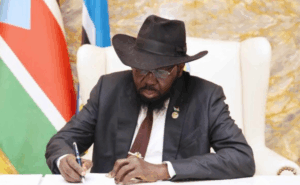
South Sudanese President Salva Kiir has established an ad hoc committee tasked with reviewing and terminating non-statutory tax exemptions. This initiative aims to bolster the government's revenue collection capabilities. The committee's mandate includes scrutinizing all tax exemptions, waivers, and incentives that have been granted to various entities, including individuals, companies, and non-governmental organizations. President Kiir issued a republican order on Monday, July 6, 2026, formalizing the establishment of this committee. The move is a significant step towards strengthening fiscal management and ensuring more equitable tax collection across the nation. The committee is expected to identify and address any loopholes or inefficiencies in the current tax exemption system. By curbing illegal or unjustified exemptions, the government hopes to increase its financial resources. This effort is crucial for funding public services and national development projects. The formation of this committee signals a commitment to fiscal discipline and improved governance in South Sudan.
The formation of this committee by President Kiir addresses a critical governance challenge: ensuring that tax exemptions align with statutory requirements and contribute to national revenue rather than creating fiscal leakage. By mandating a review of all waivers and incentives, the administration is attempting to reassert fiscal control and potentially enhance the efficiency of public resource allocation. This action could signal a shift towards greater transparency and accountability in financial management. Looking ahead, the effectiveness of this committee will depend on its mandate's scope, the rigor of its review process, and the political will to enforce its recommendations, particularly when faced with potential resistance from vested interests benefiting from current exemptions. The long-term impact will be measured by its success in sustainably increasing government revenue and fostering a more equitable economic environment.
AI-generated to prompt reflection — not editorial opinion, not advice, not a statement of fact. How this works.