Southeast Asia's Vulnerability to Iran Conflict Fuel Shocks Exposed
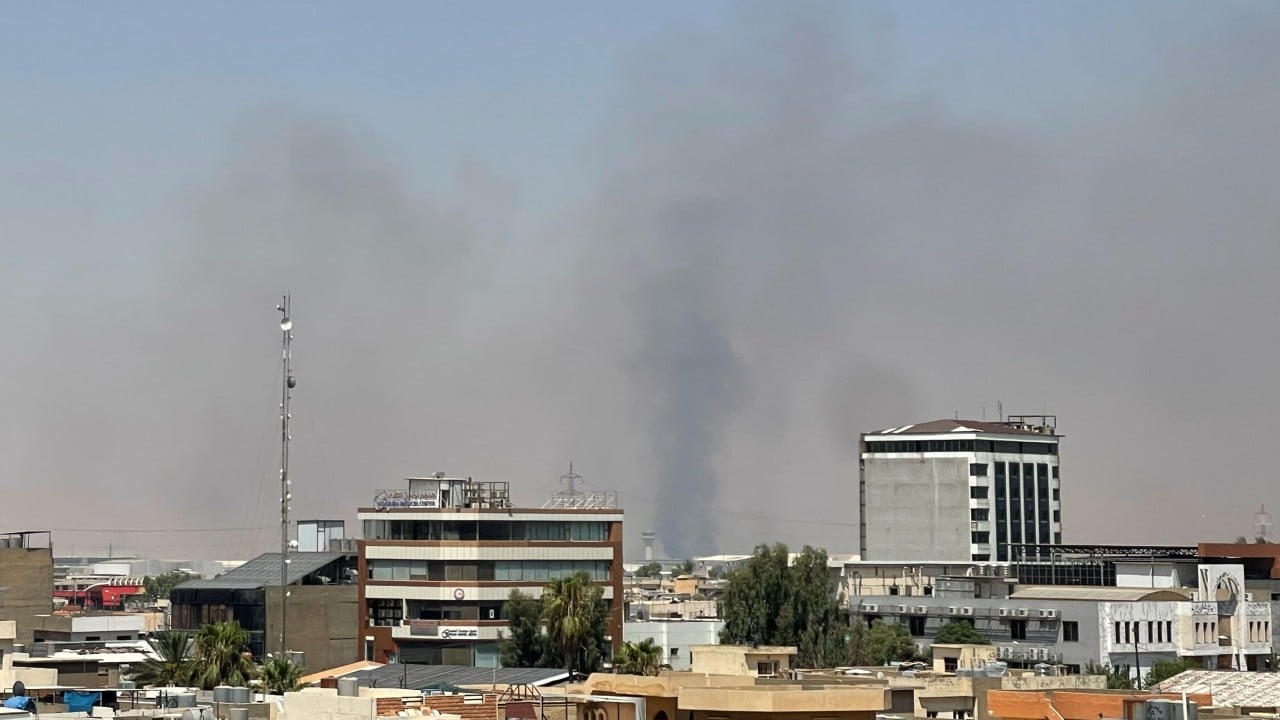
Southeast Asian governments have struggled for months to mitigate the impact of energy price shocks stemming from Middle East conflicts. However, recent escalations in fighting between the United States and Iran have highlighted the inadequacy of their protective measures, according to analysts. This renewed tension has reignited concerns about potential fuel supply disruptions throughout the region. Many Southeast Asian economies are significantly reliant on imported oil and critical shipping lanes that pass through the Persian Gulf. Regional leaders have voiced "grave concern" regarding the ongoing situation, underscoring the precariousness of their energy security. The dependence on foreign oil and the strategic importance of Gulf shipping routes make the region particularly susceptible to geopolitical instability in the Middle East. The effectiveness of current defense strategies against such external shocks is now under scrutiny as the conflict intensifies.
The recent escalation of conflict between the US and Iran underscores a persistent systemic vulnerability for energy-import-dependent regions like Southeast Asia. While governments have attempted to build defenses against energy shocks, the recurring nature of these geopolitical events suggests that current strategies may be insufficient for long-term resilience. This situation highlights a broader challenge of managing external dependencies in an increasingly volatile global landscape. Future energy security for the region will likely depend on diversifying energy sources, investing in domestic production where feasible, and exploring alternative trade routes to mitigate risks associated with critical chokepoints. The economic implications of prolonged fuel price volatility could also necessitate a strategic re-evaluation of national energy policies and infrastructure investments over the next decade.
AI-generated to prompt reflection — not editorial opinion, not advice, not a statement of fact. How this works.