Southern Brazil Floods: Nearly 200 Cities Damaged, Thousands Displaced
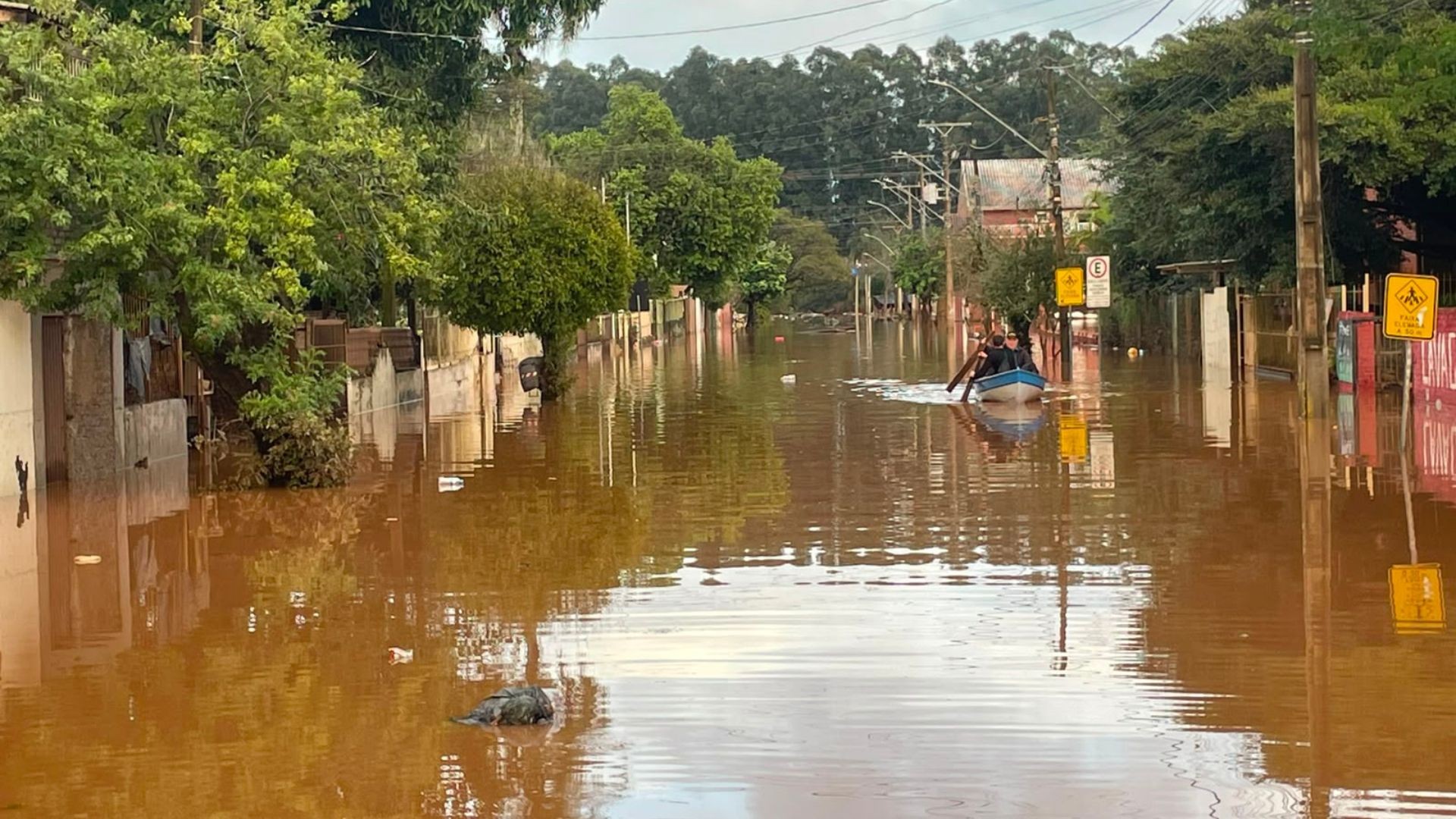
Heavy rainfall in Rio Grande do Sul, Brazil, has impacted nearly 200 cities, displacing thousands of residents. As of Thursday, May 23, the Civil Defense reported 728 people are homeless and 419 are displaced, meaning they are staying with friends or family. The widespread flooding, which began last week, has caused rivers to overflow, leading to inundations in various regions. While some river levels began to recede on Wednesday, May 22, the alert now focuses on the potential for the Jacuí River to flood. In São Jerônimo, the Jacuí River exceeded its flood level, prompting the evacuation of three families from riverside areas. Similarly, in Cachoeira do Sul, preventative measures are underway to relocate residents near the Jacuí River, where water levels reached 20.20 meters, just below the 21-meter flood stage. A shelter has been established at Parque da Fenarroz, with provisions made for pets. Lajeado saw nearly 500 people spend the night in a municipal shelter after streets were flooded, forcing residents to evacuate their homes to salvage belongings. Other affected municipalities include Arroio dos Ratos, Nonoai, Planalto, and Passo Fundo, with reports of blocked roads, fallen trees, damaged roofs, and compromised bridges across the state.
The persistent heavy rainfall and subsequent flooding in Rio Grande do Sul highlight the increasing vulnerability of communities to extreme weather events, likely exacerbated by broader climate shifts. The displacement of nearly 200 cities' populations and the repeated damage to infrastructure, such as bridges rebuilt after previous floods, underscore systemic challenges in disaster preparedness and resilient infrastructure development. While immediate relief efforts are crucial, a long-term perspective is needed to address the underlying factors, including urban planning in flood-prone areas and the integration of climate adaptation strategies into regional development. The event serves as a stark reminder of the escalating costs associated with climate change impacts and the imperative for proactive, sustainable solutions to protect both lives and livelihoods in vulnerable regions.
AI-generated to prompt reflection — not editorial opinion, not advice, not a statement of fact. How this works.