Southern Brazil Sees Sub-Zero Temperatures in 46 Cities
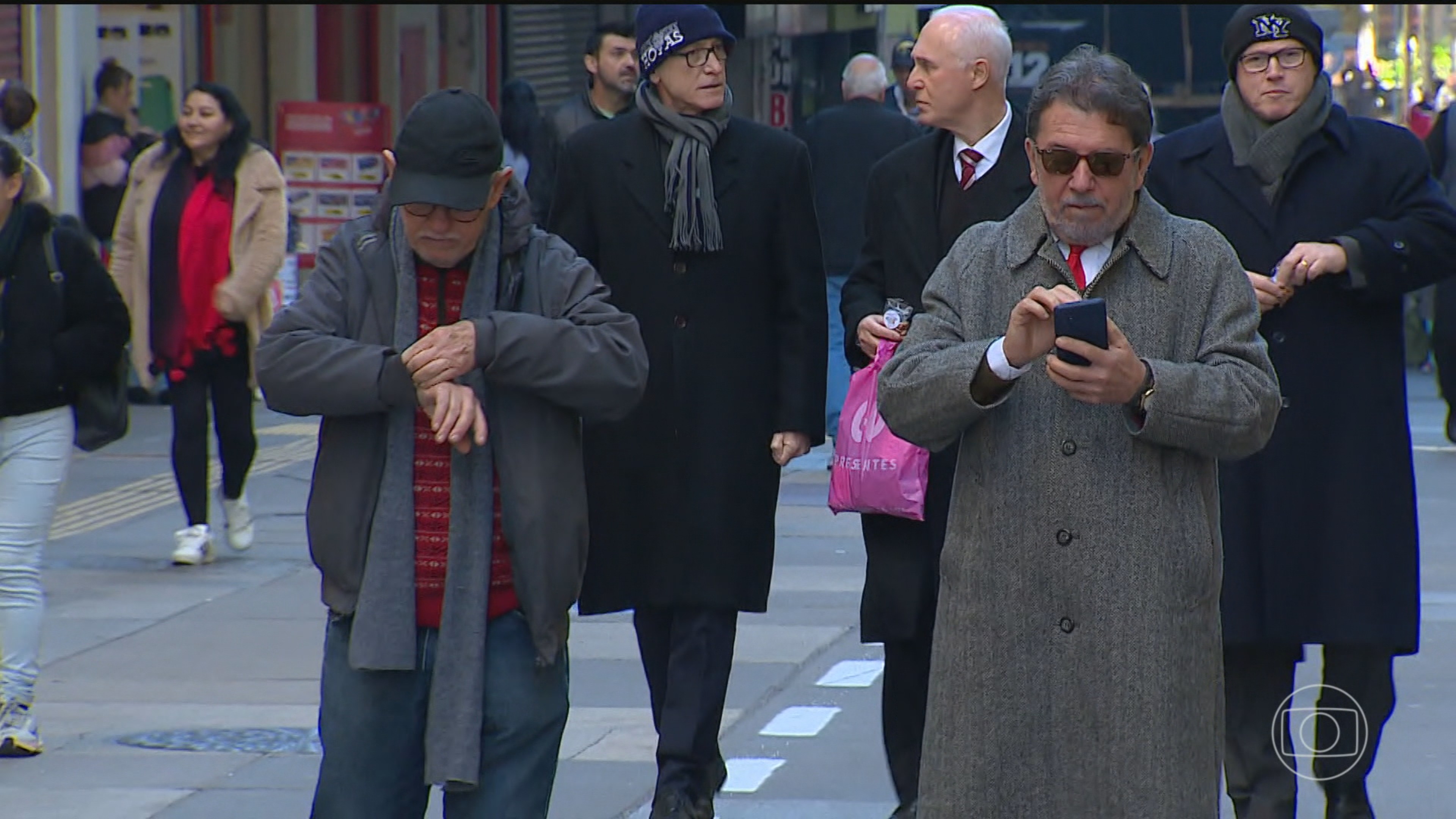
On Wednesday, November 8th, a significant cold snap affected Southern Brazil, with 46 municipalities recording temperatures below zero degrees Celsius. Bom Jardim da Serra in Santa Catarina experienced the nation's lowest temperature at -6.1°C, while Guarapuava, Paraná, registered 0.4°C amidst heavy fog. Of the affected municipalities, 25 were in Santa Catarina, 19 in Rio Grande do Sul, and two in Paraná. Despite the frigid morning, warmer weather brought temperatures close to 20°C by the afternoon. The cold weather is also contributing to an increase in respiratory illnesses, with approximately 2,000 people hospitalized for such conditions in the Southern Region. Children and the elderly are particularly vulnerable, making up three out of every four patients in Porto Alegre's emergency services. Health officials are urging residents, especially parents, to get vaccinated against the flu, as vaccination coverage in vulnerable groups is only at 44%, far below the Ministry of Health's 90% target. This low vaccination rate is concerning, given that most deaths from severe acute respiratory syndrome last year were among unvaccinated individuals. The Civil Defense in Rio Grande do Sul has collected over 140,000 clothing items for its winter clothing drive to assist the most vulnerable populations.
The confluence of sub-zero temperatures and increased respiratory illness in Southern Brazil highlights a recurring public health challenge exacerbated by seasonal weather patterns. The low flu vaccination uptake, particularly among vulnerable demographics, presents a systemic vulnerability. This situation underscores the importance of proactive public health campaigns and accessible vaccination programs to mitigate the predictable impact of cold seasons on respiratory health. Future preparedness may involve integrating climate forecasting with public health resource allocation to better anticipate and respond to surges in demand for medical care and essential supplies like warm clothing.
AI-generated to prompt reflection — not editorial opinion, not advice, not a statement of fact. How this works.