Southern European Cities Adapt to Rising Heatwaves
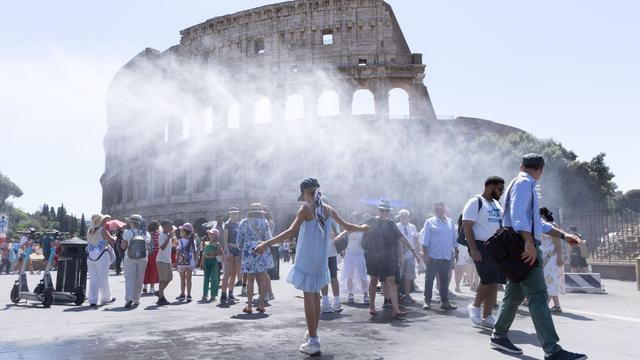
As temperatures soar across Southern Europe, cities are implementing innovative strategies to combat the increasing intensity and frequency of heatwaves. These measures aim to protect residents and infrastructure from the adverse effects of extreme heat. The "O sole mio" phenomenon, a colloquial reference to the intense sun, highlights the growing challenge posed by climate change in the region.
Cities are exploring various approaches, including enhancing green spaces, improving building insulation, and developing early warning systems for heat-related health risks. Public awareness campaigns are also crucial in educating citizens on how to stay safe during heatwaves. The long-term goal is to build more resilient urban environments capable of withstanding future climatic challenges.
The escalating heatwaves in Southern Europe underscore a critical challenge for urban planning and public health in the face of climate change. Cities are increasingly compelled to invest in adaptive infrastructure and public services to mitigate risks associated with extreme temperatures. This situation highlights the interplay between environmental shifts and the need for proactive governance. Future urban development will likely prioritize heat-resilient design, water management, and community preparedness, reflecting a broader global trend towards climate adaptation. The effectiveness of these measures will depend on sustained investment, equitable distribution of resources, and robust community engagement.
AI-generated to prompt reflection — not editorial opinion, not advice, not a statement of fact. How this works.