Southern Minas Gerais Hospitals Overwhelmed by Winter Respiratory Illnesses
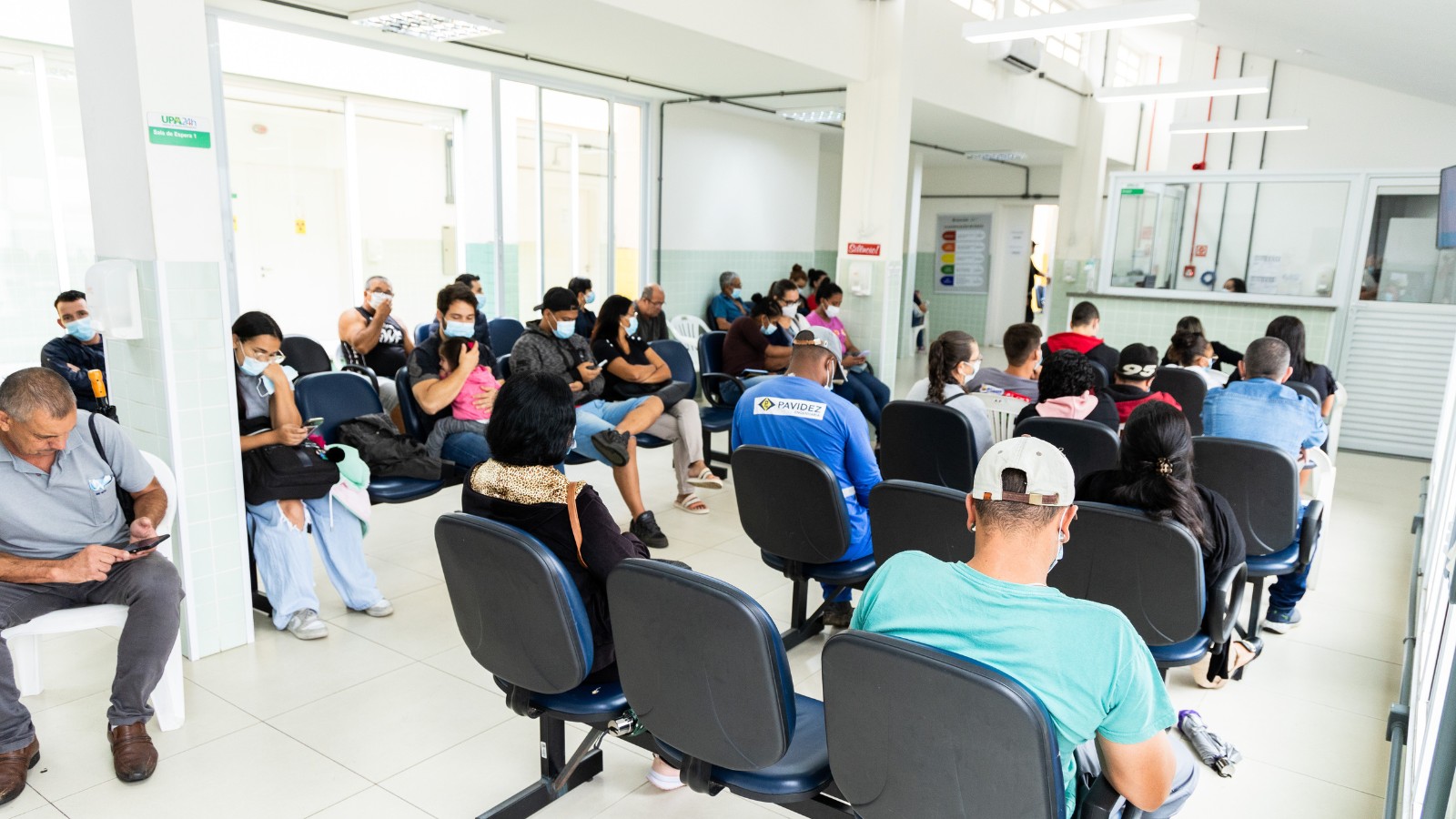
Hospitals across Southern Minas Gerais, Brazil, are experiencing a significant surge in bed occupancy, particularly in Intensive Care Units (ICUs), due to the escalating prevalence of respiratory diseases during the winter season. Multiple cities report that patients are awaiting hospital admissions, straining the public health system. In addition to the increased demand from respiratory cases, healthcare facilities are encountering challenges with the new state-issued patient transfer system, CORE, which replaced SUSFácil. This system's inefficiencies are contributing to longer patient stays in emergency units and hospitals. For instance, the Santa Casa de Poços de Caldas has 176 out of 185 SUS beds occupied, with pediatric, neonatal ICU, adult ICU, internal medicine, and general surgery sectors operating at full capacity. The emergency room is currently holding 14 patients awaiting transfer to regular wards. In Pouso Alegre, the Central UPA saw a 7% rise in respiratory syndrome treatments in July compared to June, with hospitalizations increasing by approximately 20%. This unit has been operating with nearly all beds occupied most days. Itajubá's Hospital de Clínicas and Santa Casa also report maximum occupancy. Varginha's Hospital Bom Pastor has all ten adult ICU beds occupied, and the Regional Hospital's pediatric beds are also full. The municipality has declared a public health emergency, implementing measures like hiring more staff and expanding services. Passos' Santa Casa has only one adult ICU bed available out of 38, with all eight pediatric beds occupied and the neonatal ICU exceeding capacity. The municipal UPA is at 85% capacity, with 39 patients awaiting transfer, some for over eight days. Several other hospitals in Alfenas, Três Corações, and Lavras are also reporting 100% ICU bed occupancy. Health authorities are urging the public to stay up-to-date with vaccinations, practice preventive measures against respiratory infections, and seek urgent medical care only when necessary to alleviate the burden on the healthcare network.
The current strain on Southern Minas Gerais' healthcare infrastructure highlights a critical vulnerability in public health systems during seasonal demand spikes. The confluence of increased respiratory illness and systemic inefficiencies, such as the implementation of a new patient transfer protocol (CORE), creates bottlenecks that exacerbate overcrowding and delay critical care. This situation underscores the importance of robust, adaptable health management systems capable of scaling during predictable surges. Future planning should consider not only immediate capacity but also the integration and testing of new administrative technologies to ensure they enhance, rather than impede, patient flow and access to care. Furthermore, the reliance on public appeals for vaccinations and blood donations suggests that preventative health strategies and resource management require continuous, proactive reinforcement beyond crisis periods to build greater resilience.
AI-generated to prompt reflection — not editorial opinion, not advice, not a statement of fact. How this works.