Southern Minas Gerais Sees Voter Decline Ahead of 2026 Elections
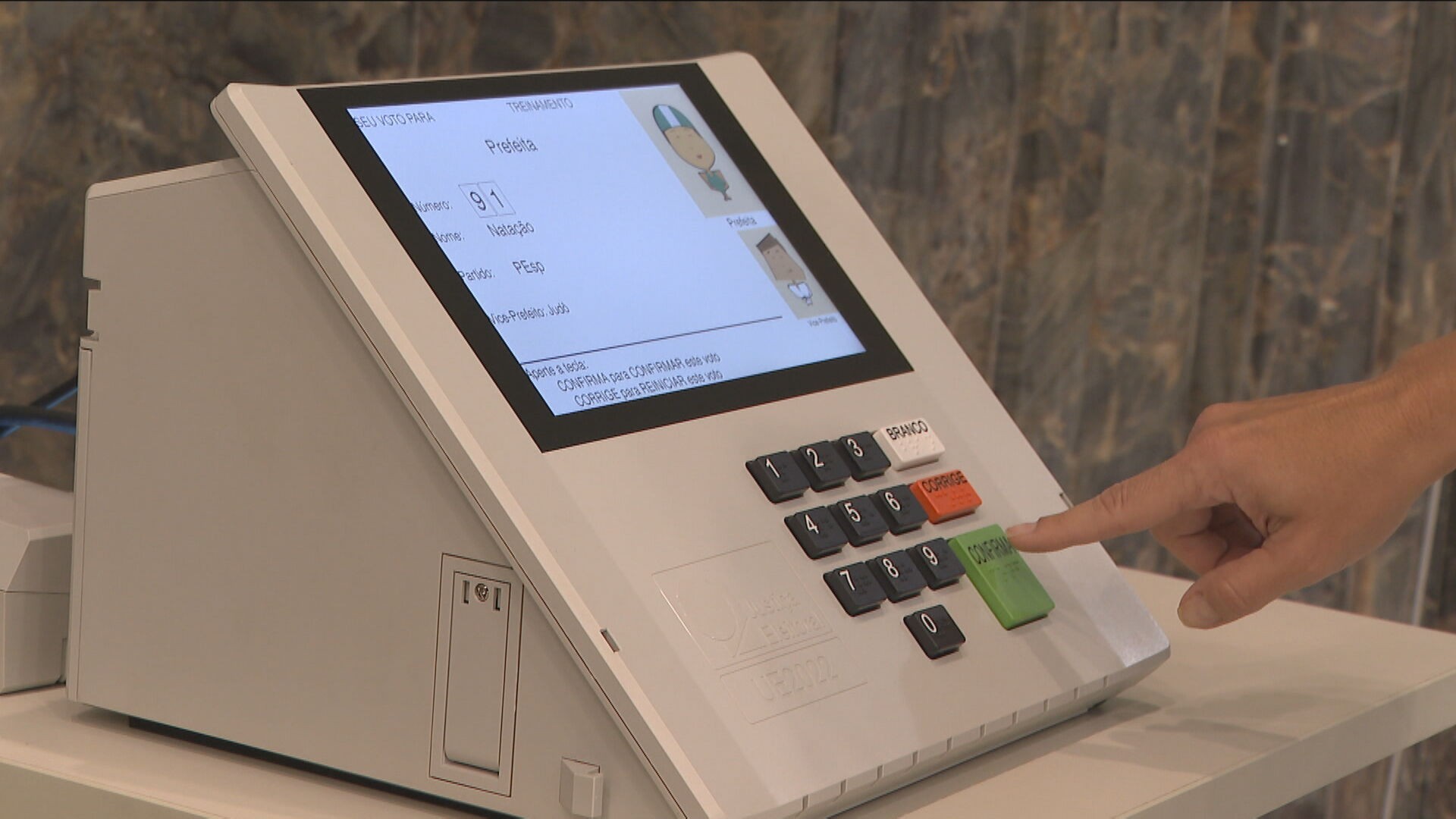
The Southern Minas Gerais region is projected to have 2,294,826 eligible voters for the 2026 elections, marking a decrease of 14,767 voters compared to the 2024 municipal elections. This 0.64% reduction contrasts with the national trend of voter growth. Despite this recent decline, the region's electorate has grown by 26,806 voters since the 2022 general elections. Among municipalities, Extrema experienced the largest increase with 1,852 new voters, followed by Pouso Alegre (+1,526) and Itajubá (+547). Conversely, Poços de Caldas saw the most significant drop, losing 1,543 voters, with Três Corações (-923) and São Sebastião do Paraíso (-730) also reporting substantial decreases. Poços de Caldas remains the largest electoral college in the region with 122,471 voters, despite its recent losses. The data also reveals that 1,558,401 voters have registered biometrics, and the electorate comprises 1,925,549 with mandatory voting and 369,277 with optional voting. Demographically, the majority of voters are single (1,301,626), and the largest age group is between 40 and 44 years old (215,927). The most common educational attainment is incomplete primary education (646,672). Nationally, Brazil has 158.7 million eligible voters for 2026, a 1.46% increase from 2022, with Minas Gerais being the second-largest electoral college.
The voter decline in Southern Minas Gerais, while counter to the national trend, warrants examination of local demographic and socio-economic factors influencing electoral participation. While the report details voter numbers, it doesn't explain the underlying causes for this regional decrease. Future analysis could explore potential correlations with migration patterns, economic opportunities, or changes in voter registration processes. Understanding these dynamics is crucial for electoral bodies to ensure equitable representation and engagement across diverse regions. The data on voter demographics, such as age and education levels, provides a foundation for targeted civic education initiatives, potentially mitigating future participation gaps and fostering a more informed electorate in the evolving digital landscape.
AI-generated to prompt reflection — not editorial opinion, not advice, not a statement of fact. How this works.