Southern Minas Gerais Toll Roads See Price Hike Starting Sunday
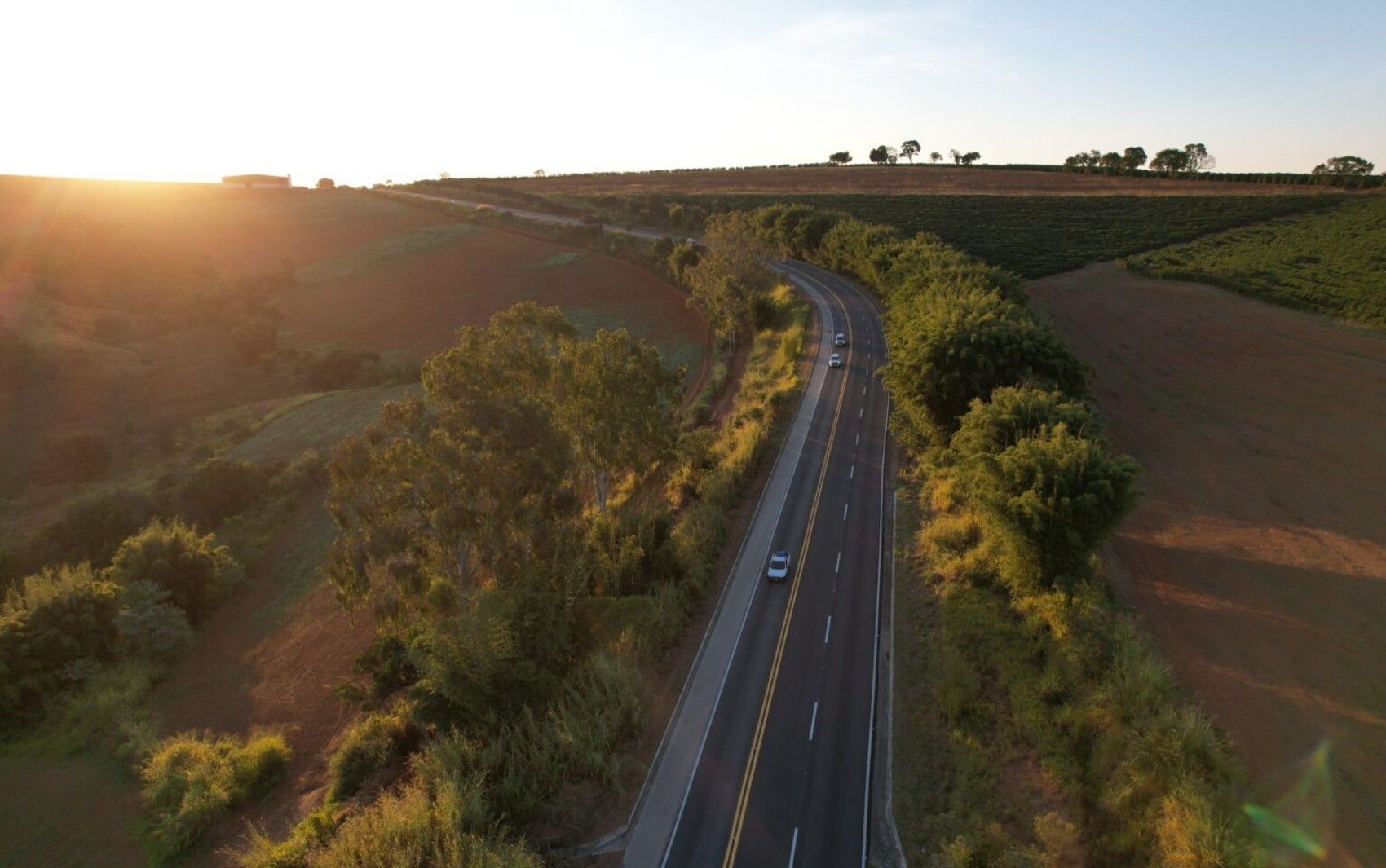
Toll rates on six highways in Southern Minas Gerais, Brazil, have increased starting Sunday, February 26th. The annual adjustment, approved by the Minas Gerais State Transport Regulatory Agency (Artemig), affects roads managed by EPR Vias do Café. For passenger vehicles, the toll fare has risen from R$ 15 to R$ 15.80, a 5.3% increase. According to the concessionaire, this adjustment aligns with the concession contract and accounts for inflation accumulated over the past 12 months. EPR manages 432.8 kilometers of roads spanning 22 municipalities, including sections of MG-167, BR-265, LMG-863, MGC-491, BR-146, and CMG-369. Funds collected from tolls are designated for road maintenance, 24-hour medical and mechanical assistance, and infrastructure improvement projects. The concessionaire also offers a Frequent User Discount (DUF) for passenger vehicles using electronic tags, with discounts potentially reaching 92% based on usage frequency. Since July 2024, EPR has invested approximately R$ 1.1 billion in road revitalization, conservation, and modernization, including LED lighting at interchanges and drainage work. Future projects, such as the Varginha Bypass and part of the Avenida do Contorno duplication, are also under study.
The toll increase reflects a standard mechanism for infrastructure maintenance and development, tied to inflation and concession agreements. While necessary for road upkeep and upgrades, such adjustments impact the cost of transportation for individuals and businesses. The Frequent User Discount aims to mitigate the burden on regular commuters, showcasing a tiered pricing strategy. The significant investment figures highlight the capital-intensive nature of highway management and the ongoing need for public-private partnerships in infrastructure. Future planned projects suggest a long-term vision for regional connectivity, though the economic viability and public benefit of these expansions will warrant continued scrutiny.
AI-generated to prompt reflection — not editorial opinion, not advice, not a statement of fact. How this works.