Southland Data Centre's Water Use Sparks Environmental Concerns
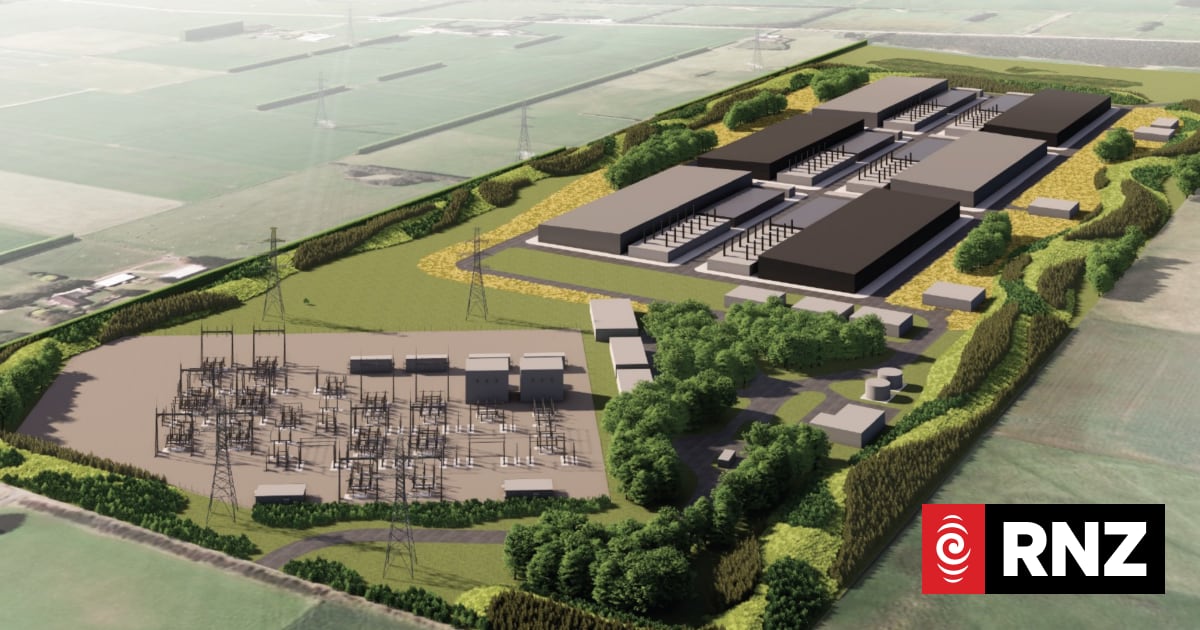
Datagrid, a company operating in Southland, has been granted resource consents that permit it to extract over 600,000 liters of groundwater daily. This significant water allocation for the data center has raised concerns among environmental engineers regarding its potential impact. The scale of water usage by large-scale data facilities is becoming a critical issue, particularly in regions facing water scarcity or with sensitive ecosystems. Engineers are evaluating the long-term sustainability of such withdrawals and their implications for local water resources. The consent allows for substantial daily extraction, prompting a closer look at the environmental footprint of digital infrastructure. Further scrutiny is expected regarding the management and monitoring of these water rights to ensure responsible use. The case highlights the growing tension between the demand for data processing power and the preservation of natural resources.
The approval of resource consents for Datagrid's Southland data center, allowing for the daily withdrawal of over 600,000 liters of groundwater, presents a complex challenge. This situation underscores the increasing demand for water resources driven by the expansion of digital infrastructure, juxtaposed against the need for environmental stewardship. From a systems perspective, the energy and water intensity of data centers represents a significant operational footprint. Future considerations for such developments should involve a comprehensive lifecycle assessment, exploring alternative cooling technologies and water sourcing strategies to mitigate environmental impact. Evaluating the long-term sustainability of large-scale water abstraction in the context of climate change and potential regional water stress is crucial for responsible development and resource management.
AI-generated to prompt reflection — not editorial opinion, not advice, not a statement of fact. How this works.