Southwest Germany Sees Slight Decline in Sick Leave, DAK Reports
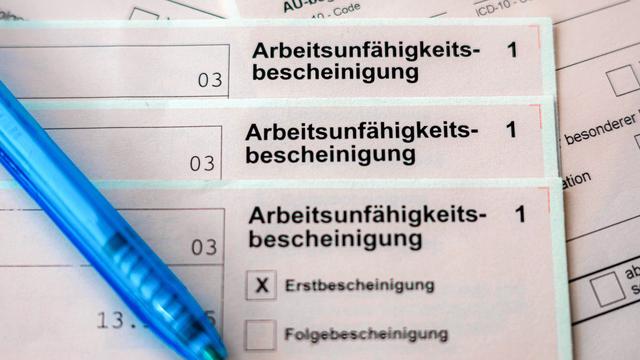
The health insurance provider DAK-Gesundheit has reported a slight decrease in the sick leave rate among its insured members in southwestern Germany. In 2023, the sickness rate in Baden-Württemberg fell by 0.2 percentage points to 4.5 percent compared to the previous year. This means that on average, each insured person was absent from work for 16.4 days due to illness. This figure is still above the federal average of 15.7 days. The DAK attributes the slight improvement to a decrease in respiratory illnesses, which were prevalent in the preceding years. However, musculoskeletal disorders remain the leading cause of sick leave in the region, accounting for approximately 25 percent of all cases. Mental health issues also continue to be a significant factor, contributing to around 18 percent of absences. The DAK emphasizes the need for continued focus on preventative health measures and workplace well-being to further reduce sick leave and improve overall employee health.
The reported decline in sick leave in Baden-Württemberg, while a positive indicator, warrants a nuanced perspective. The slight reduction, particularly attributed to fewer respiratory infections, suggests a potential normalization of post-pandemic health trends. However, the persistent higher-than-average sick leave days compared to the federal average, driven by chronic musculoskeletal and mental health conditions, highlights ongoing systemic challenges in occupational health. Future interventions should consider the long-term impact of work environments and lifestyle factors on these persistent health issues, aiming for sustainable improvements rather than short-term fluctuations. This situation underscores the importance of proactive, integrated health strategies that address both acute and chronic conditions within the workforce.
AI-generated to prompt reflection — not editorial opinion, not advice, not a statement of fact. How this works.