Soweto in the 1960s: A Cultural Flourishing Amidst Apartheid
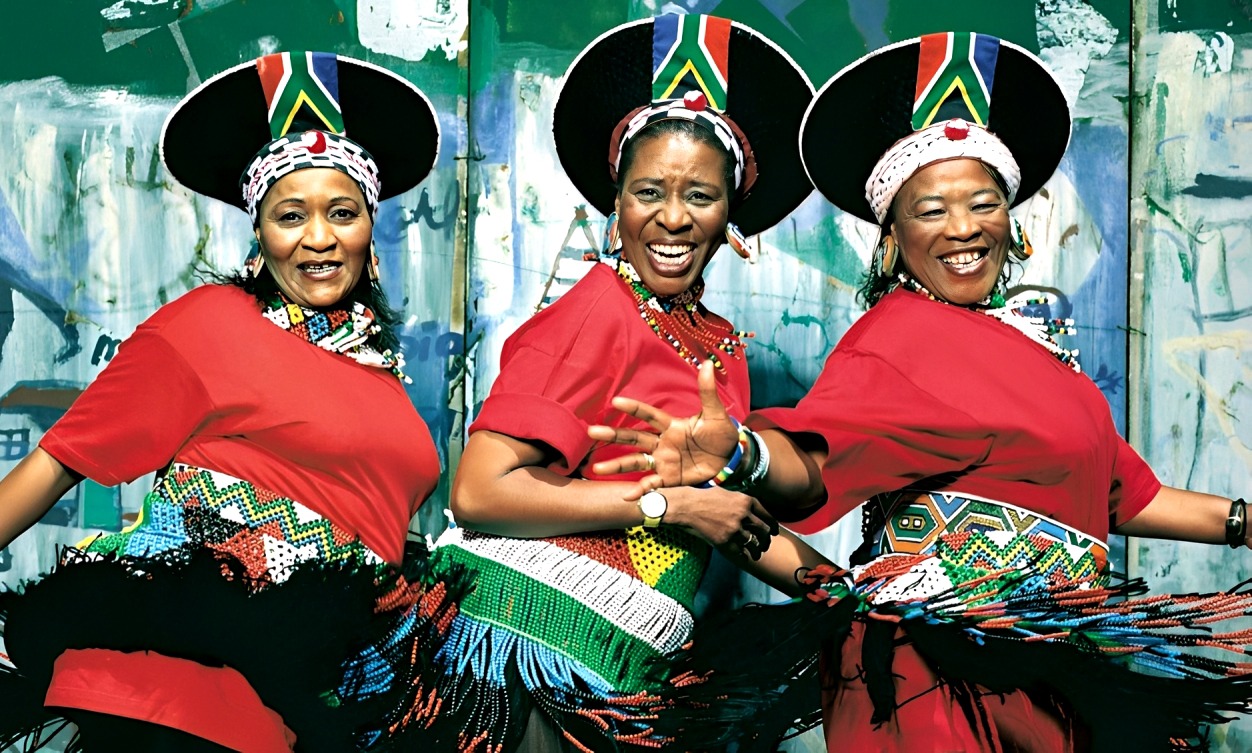
The 1960s in Soweto, South Africa, was a period of vibrant cultural expression that flourished despite the oppressive constraints of apartheid. This era was defined by the sounds of marabi, mbaqanga, and groaners, alongside the performances of glamorous singers. These musical genres and artists played a significant role in shaping a unique Soweto culture. The music served as a form of creative resistance and a way for the community to maintain its identity and spirit under a restrictive political regime. The lively atmosphere, characterized by 'hot cats' and 'cool sax' music, fostered a sense of community and resilience. This cultural output not only entertained but also provided a vital outlet for expression and connection among residents.
The cultural dynamism of 1960s Soweto, as described, highlights the enduring human drive for creative expression even under severe political repression. The emergence of distinct musical genres like marabi and mbaqanga demonstrates how communities can forge unique cultural identities as a form of subtle resistance and social cohesion. This historical example offers insights into the resilience of artistic endeavors in challenging environments, suggesting that cultural production can serve as a vital mechanism for maintaining social fabric and psychological well-being when overt political action is suppressed. Examining such periods can inform strategies for cultural preservation and support in contemporary contexts facing similar systemic pressures.
AI-generated to prompt reflection — not editorial opinion, not advice, not a statement of fact. How this works.