Soybean Farmer Profit vs. State Revenue per Hectare Analyzed
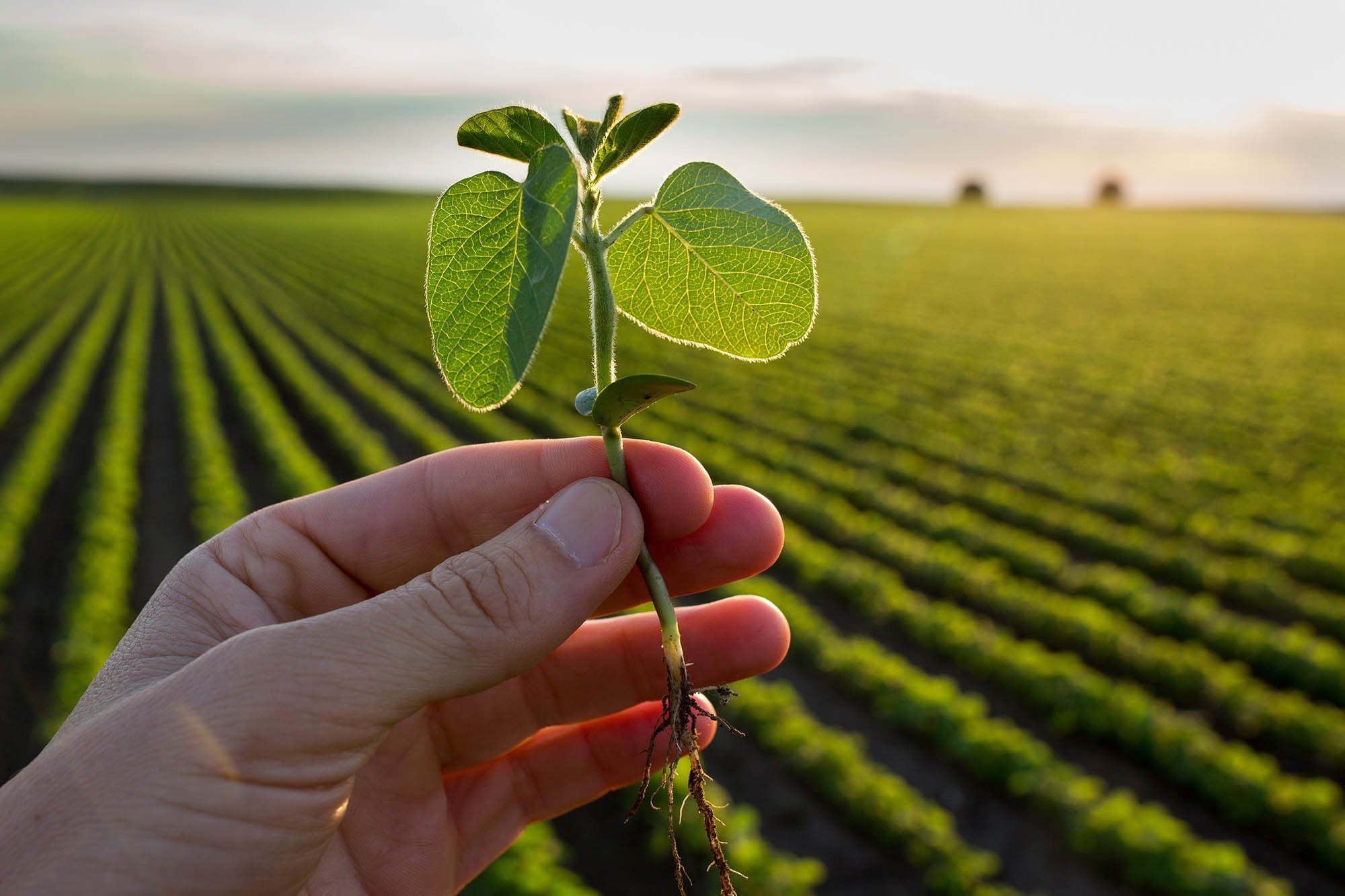
An extensive report by Néstor Roulet reveals a significant disparity in earnings between soybean producers and the state per hectare of land. For a farmer who rents land, the net profit margin from one hectare of soybeans is calculated to be a modest US$42.77. In stark contrast, the state collects a substantially larger amount from the same hectare through various taxes and withholdings. Roulet's findings indicate that the government's revenue per hectare amounts to US$745.16, which is approximately 17 times more than the farmer's profit. This analysis focuses on the financial implications for both the agricultural producer and the national treasury, highlighting the substantial fiscal contribution derived from soybean cultivation.
This report highlights a significant fiscal leverage applied to agricultural output. The substantial difference between farmer profit and state revenue per hectare, where the state collects over 17 times more, warrants examination of the tax and retention structures. Understanding the incentive mechanisms for both producers and the state is crucial. Policymakers may consider how these fiscal policies impact agricultural investment, food security, and farmer viability in the long term, especially as global markets and climate challenges evolve. Evaluating the sustainability of such a revenue model, which places a heavy fiscal burden on primary producers, is essential for future economic planning.
AI-generated to prompt reflection — not editorial opinion, not advice, not a statement of fact. How this works.