Soyuz MS-28 Returns Three Astronauts to Earth After 241 Days Aboard Space Station
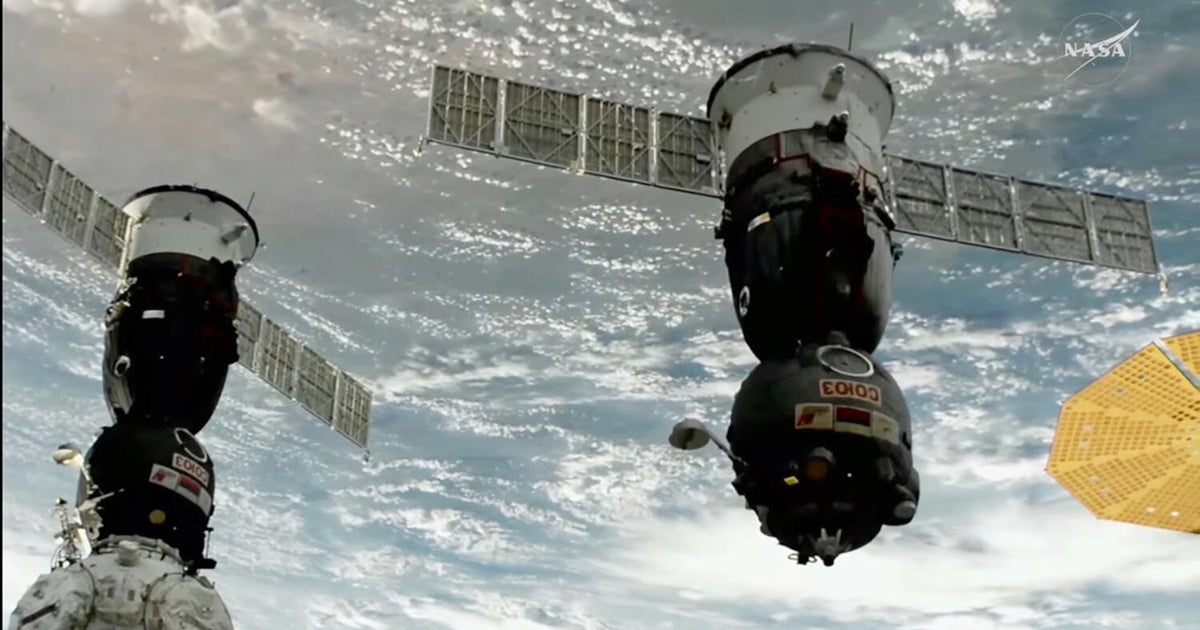
The Russian Soyuz MS-28 spacecraft successfully completed its mission, bringing three astronauts back to Earth after an extended stay of 241 days aboard the International Space Station. The landing took place in Kazakhstan, marking the end of a long-duration orbital assignment for the crew. This mission highlights the continued reliance on the Soyuz program for crewed spaceflight operations, even as other international partners contribute to the station's upkeep and research. The duration of the mission underscores the physical and psychological demands placed on astronauts during prolonged periods in microgravity. The safe return of the crew is a testament to the engineering and operational capabilities of the Soyuz spacecraft and the ground support teams involved. Further details regarding the crew's health assessments and debriefings are expected in the coming days.
The successful return of the Soyuz MS-28 crew after a 241-day mission underscores the enduring reliability of legacy spaceflight systems in supporting long-duration human presence in orbit. While this mission demonstrates robust operational capacity, the future of crewed spaceflight will increasingly be shaped by the development of diverse launch and transit vehicles. The economic and technological incentives driving these advancements suggest a continued evolution in how international crews are supported, potentially leading to greater redundancy and reduced reliance on any single platform. Observing these trends over the next decade will be crucial for understanding the evolving landscape of space exploration and resource utilization.
AI-generated to prompt reflection — not editorial opinion, not advice, not a statement of fact. How this works.