SP-255 Highway in São Paulo State Implements Traffic Control for Duplication Project
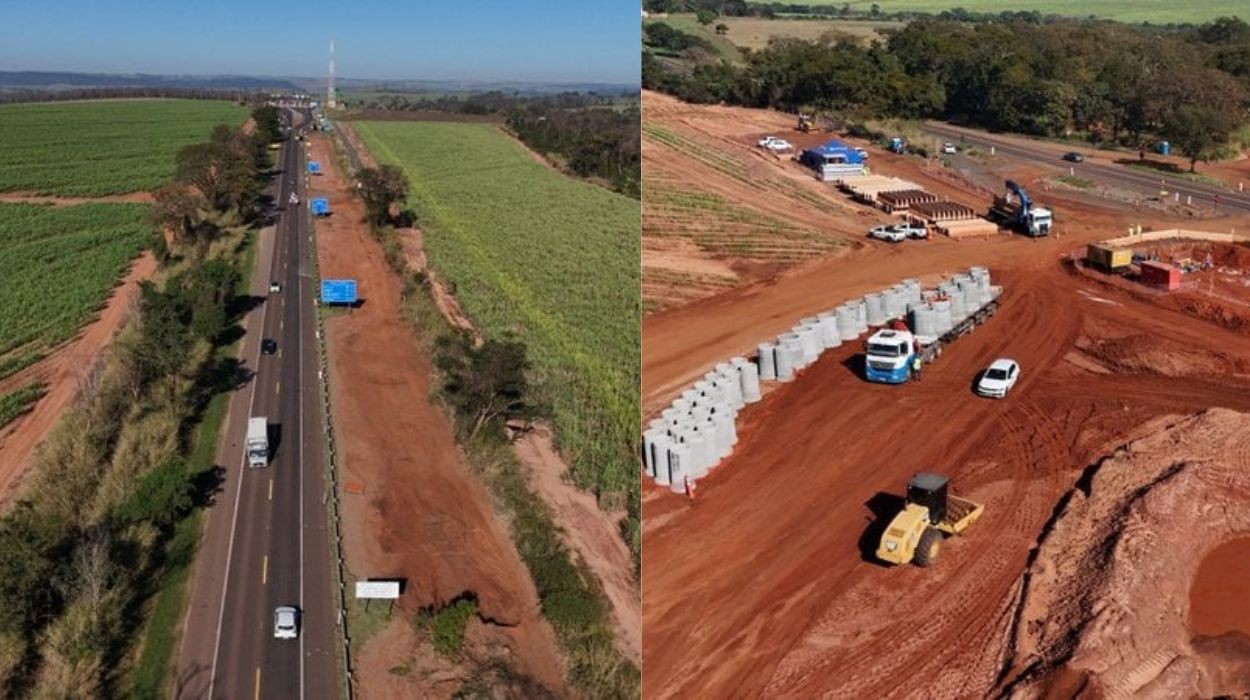
The Comandante João Ribeiro de Barros Highway (SP-255) in São Paulo state is implementing a 'Pare e Siga' (Stop and Go) traffic control system to facilitate ongoing duplication works. This operation is in effect on a section between Araraquara and Bocaina, specifically around kilometer 96, from Monday to Friday, between 7 AM and 5 PM. The measure, managed by the concessionaire Arteris ViaPaulista, ensures the safety of construction activities, including the installation of protective barriers and metal guardrails. Temporary traffic interruptions are clearly signaled, with staff guiding drivers through the affected zone. The project aims to duplicate 54 kilometers of the SP-255, from kilometer 83.9 to 137.9, passing through Araraquara, Boa Esperança do Sul, Dourado, and Bocaina. Current work focuses on cleaning, earthmoving, and foundation tasks between kilometers 96 and 119, with specific remodeling of access roads to Trabiju and Boa Esperança do Sul at kilometer 113. The duplication involves an investment of approximately R$ 357 million and is expected to create around 400 direct and indirect jobs. The project includes new lanes, shoulders, seven new turnarounds, and the remodeling of four existing ones, with an estimated completion time of 42 months. The highway currently handles about 8,000 vehicles daily, and the project is projected to directly benefit 280,000 residents and indirectly impact up to 1 million people.
The implementation of a 'Pare e Siga' system on the SP-255 highway highlights the inherent trade-offs between infrastructure development and immediate public convenience. While the duplication project, representing a significant R$ 357 million investment and job creation, is strategically vital for accommodating intense traffic, particularly commercial vehicles, the temporary traffic disruptions are a necessary consequence. This situation underscores the ongoing challenge for transportation authorities and concessionaires to balance the long-term economic and safety benefits of modernization against the short-term impacts on daily commutes and logistics. Future planning may benefit from exploring advanced traffic management technologies and phased construction approaches to minimize such disruptions, thereby optimizing the public's experience during critical infrastructure upgrades.
AI-generated to prompt reflection — not editorial opinion, not advice, not a statement of fact. How this works.