Space-Based Tools Needed to Accurately Measure Black Hole Spin, Study Suggests
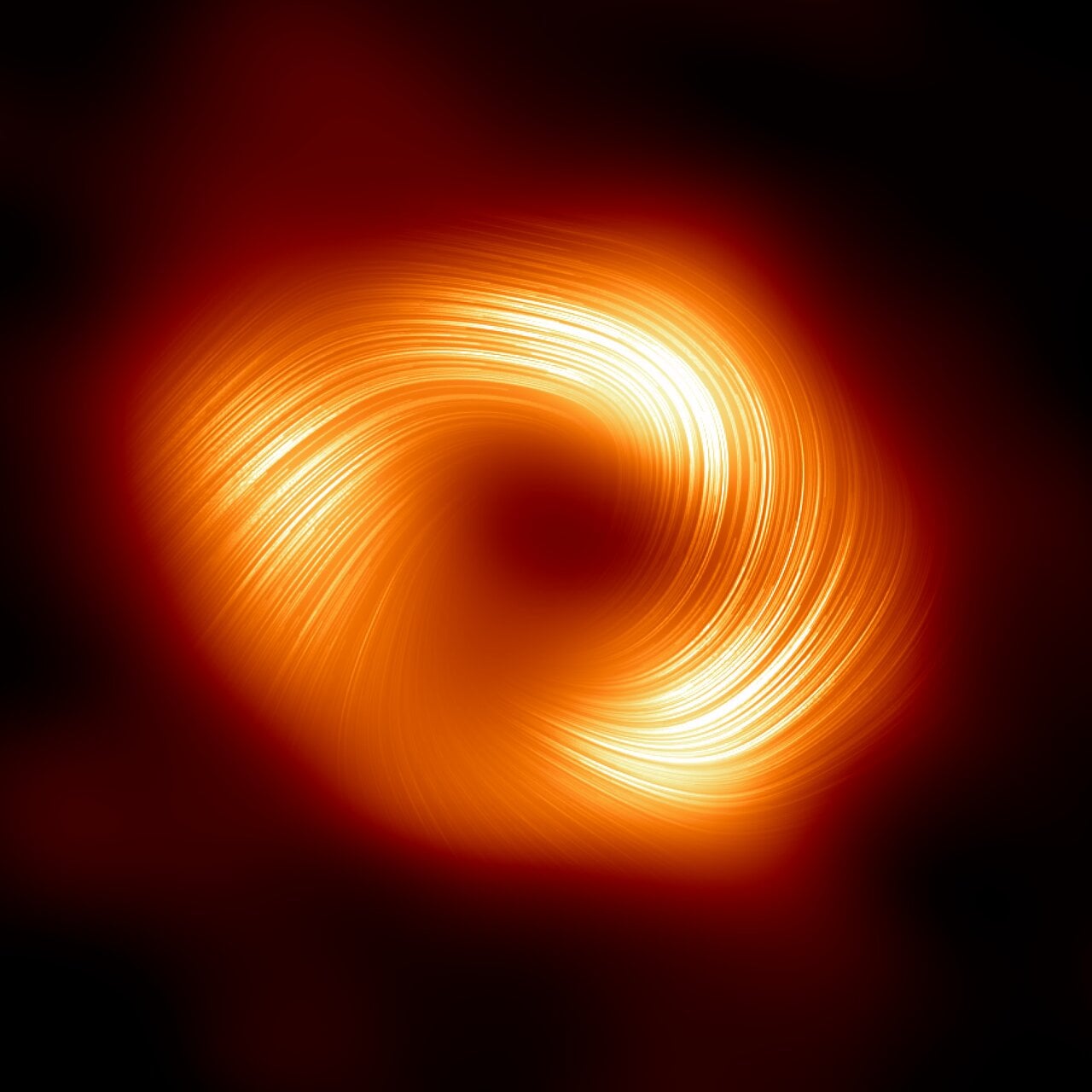
Astronomers understand that black holes, contrary to their popular image of simply consuming everything, actually spin at extremely high velocities. Measuring this spin rate is crucial for comprehending their influence on their immediate surroundings and the broader galaxies they inhabit. A recent paper by Tegan Thomas from the University of Virginia and her collaborators, currently available as a pre-print on arXiv, presents both challenges and potential solutions regarding this measurement. The researchers report that accurately determining the speed at which black holes spin is not currently possible. However, they offer optimism that a new observational tool, expected within the next few years, may provide the capability to overcome this limitation.
The challenge of precisely measuring black hole spin highlights a fundamental limitation in current astronomical observation techniques. While theoretical models and indirect evidence suggest rapid rotation, the lack of direct measurement impedes a complete understanding of black hole dynamics and their cosmological impact. The prospect of new observational tools underscores the ongoing technological race in astrophysics, driven by the need to validate theoretical frameworks and unlock deeper insights into extreme celestial objects. This pursuit reflects a broader trend in scientific inquiry, where advancements in instrumentation are often the gating factor for significant theoretical breakthroughs, particularly in fields dealing with phenomena that defy direct terrestrial experimentation.
AI-generated to prompt reflection — not editorial opinion, not advice, not a statement of fact. How this works.