Space Food Evolves from Puree to Fresh Greens for Astronaut Health and Morale
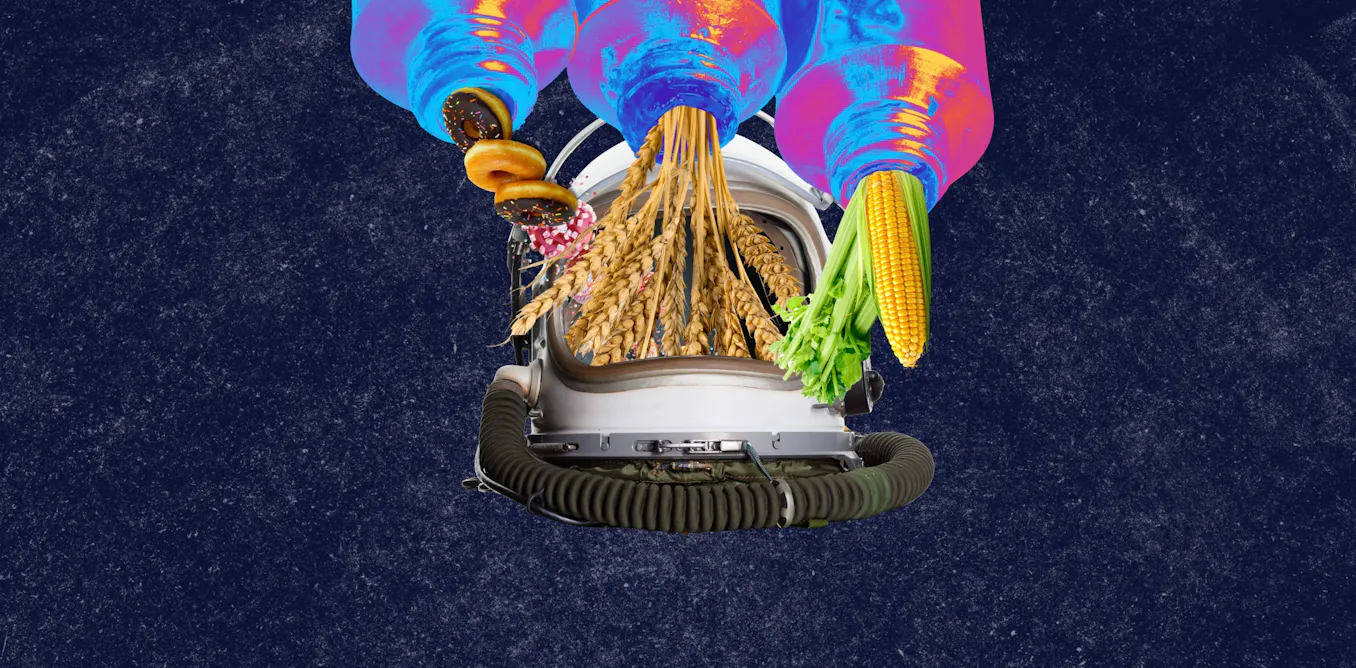
Space food is undergoing a significant evolution, moving beyond purely functional sustenance to incorporate elements that enhance astronaut health and well-being. The focus is shifting towards providing meals that are not only nutritious but also enjoyable, recognizing the psychological importance of good food during long-duration space missions. This advancement includes incorporating fresh greens, which offer vital nutrients and a welcome variety compared to traditional pureed or dehydrated options. The goal is to ensure astronauts maintain optimal physical health while also boosting their morale through a more appealing and diverse culinary experience. This evolution reflects a growing understanding of the multifaceted needs of astronauts in space.
The evolution of space food highlights a critical intersection of technological capability, human physiology, and psychological well-being. As space missions extend in duration and complexity, the provision of food transitions from a basic survival necessity to a sophisticated system supporting long-term health and cognitive function. This shift acknowledges that human performance in extreme environments is intrinsically linked to nutritional intake and morale. Future considerations will likely involve advanced cultivation techniques, personalized nutrition based on individual astronaut biomarkers, and sustainable food systems that minimize resupply needs, all while managing the inherent constraints of microgravity and limited resources. The development of space cuisine thus serves as a microcosm for broader challenges in sustainable living and human adaptation in novel environments.
AI-generated to prompt reflection — not editorial opinion, not advice, not a statement of fact. How this works.