Space Probe Completes Daring Asteroid Flyby Just 800 Meters Away
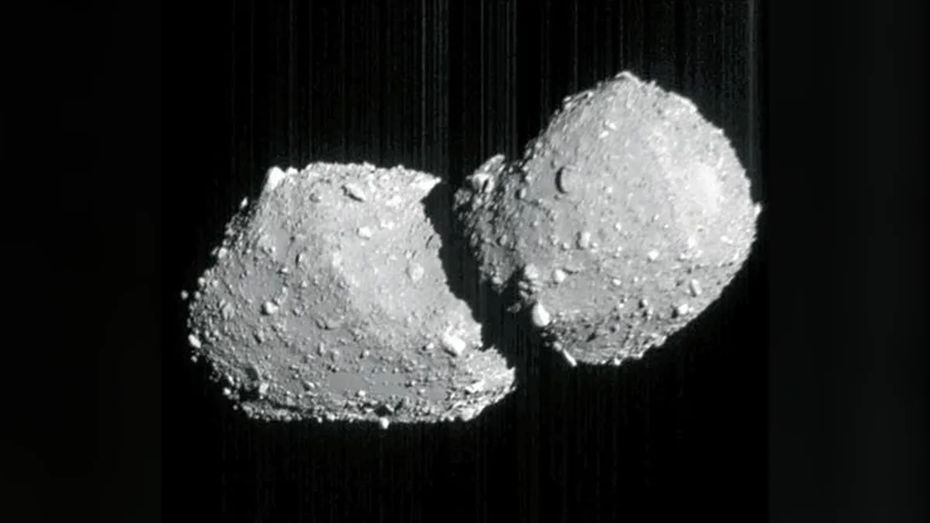
Space probe missions that exceed their planned lifespan can sometimes lead to routine operations. However, in certain instances, engineering teams opt for maneuvers that are considered exceptionally risky. Recently, a space probe successfully executed a daring flyby of an asteroid, coming within an astonishingly close distance of only 800 meters. This close encounter highlights the innovative and bold decisions that can be made by mission control when faced with extended operational periods. Such maneuvers push the boundaries of current space exploration capabilities. The success of this mission demonstrates the skill and courage of the engineering teams involved. It also opens up new possibilities for future close-range asteroid studies. The probe's ability to navigate such a tight proximity is a testament to advanced technology and precise execution. This event underscores the potential for unexpected achievements even in missions past their original objectives.
The successful execution of a close-proximity asteroid flyby, particularly one exceeding 800 meters, demonstrates a willingness by engineering teams to embrace higher-risk, higher-reward objectives for extended missions. This approach can yield invaluable scientific data that might be unattainable through more conservative trajectories. However, it also introduces significant operational risks, including potential damage to the probe or mission failure. Future mission planning may need to balance the pursuit of novel scientific insights against the imperative of preserving valuable assets and ensuring mission continuity. The decision-making framework for such high-stakes maneuvers warrants careful consideration, potentially involving more robust risk assessment protocols and contingency planning to maximize scientific return while mitigating potential catastrophic outcomes.
AI-generated to prompt reflection — not editorial opinion, not advice, not a statement of fact. How this works.