Space Salvage Games vs. Real Space Debris Removal
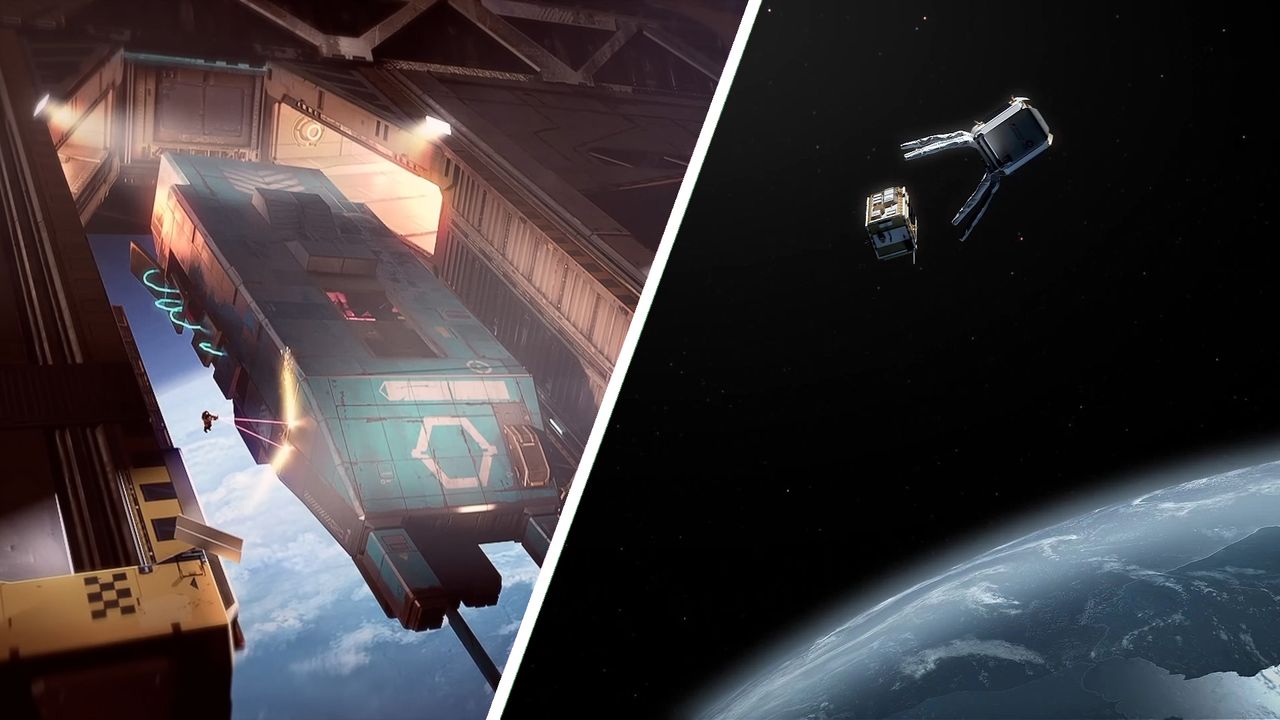
The article draws a parallel between video games focused on space salvage, such as "Hardspace: Shipbreaker," and the burgeoning real-world industry of space debris removal. It highlights how these games simulate the complex and dangerous task of dismantling defunct satellites and other orbital junk. Players in "Hardspace" are tasked with cutting up massive derelict spacecraft in zero gravity, often facing hazardous materials and structural integrity challenges. This virtual experience offers a glimpse into the technical difficulties and strategic planning required for such operations. In reality, companies are developing technologies and methodologies to tackle the growing problem of space debris, which poses a significant threat to operational satellites and future space missions. The comparison underscores the increasing relevance of space-themed simulations as they mirror real-world engineering and logistical hurdles. Both the game and the industry require careful consideration of physics, material science, and risk management. The article suggests that while games provide an accessible entry point for understanding the concepts, the actual execution demands advanced robotics, precise maneuvering, and robust safety protocols. The challenges of operating in the vacuum of space, such as extreme temperatures and radiation, are also factors in both domains. Ultimately, the fictional scenarios in games like "Hardspace" are becoming increasingly aligned with the practical necessities of maintaining a sustainable space environment.
The comparison between space salvage video games and actual space debris removal highlights a fascinating intersection of entertainment and critical infrastructure challenges. While games offer an accessible simulation of complex orbital mechanics and hazardous operations, the real-world industry faces significant economic and technological hurdles. The economic viability of space debris removal remains a key question, as current methods are expensive and the market for 'cleaned' space is still nascent. Furthermore, the development of autonomous systems capable of safely de-orbiting or capturing debris without causing further fragmentation is a major engineering feat. As the number of satellites continues to increase exponentially, driven by constellations for internet and Earth observation, the urgency to establish effective debris mitigation and removal strategies will intensify. This situation presents a clear incentive for innovation in robotics, AI-driven navigation, and international regulatory frameworks to ensure the long-term sustainability of the space environment.
AI-generated to prompt reflection — not editorial opinion, not advice, not a statement of fact. How this works.