Space Station Study Reveals Mitochondrial Decline Linked to Astronaut Bodily Wasting
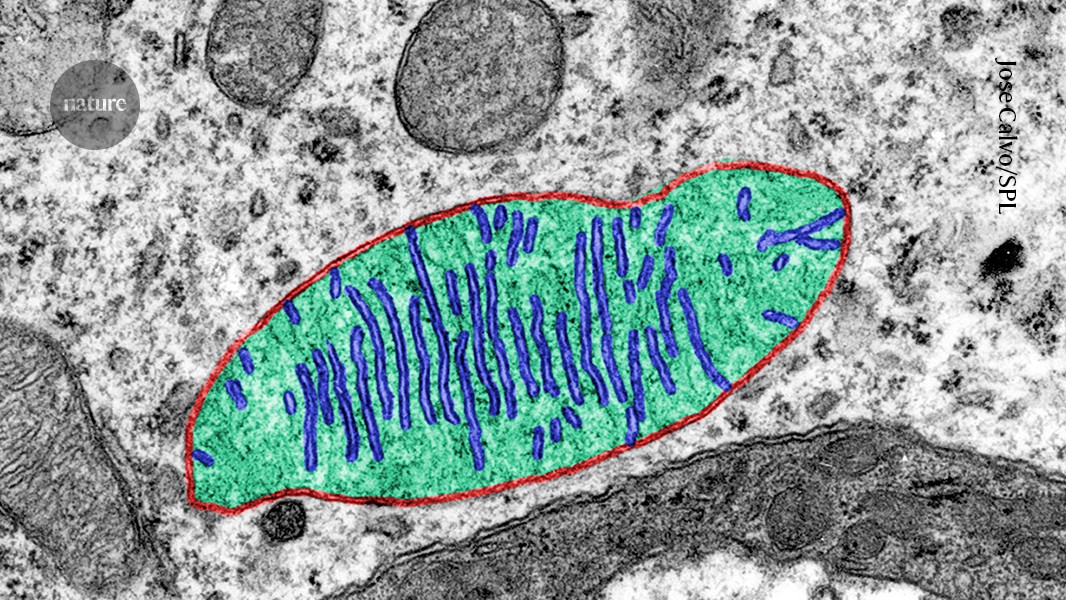
A recent study conducted aboard the International Space Station (ISS) has shed light on the physiological changes astronauts experience during long-duration spaceflight, specifically addressing why their bodies tend to waste away. The research indicates a significant link between this bodily deterioration and the function of mitochondria, the powerhouses of our cells. These tiny organelles are crucial for energy production, and their performance appears to be compromised in the microgravity environment of space. The study observed that over time, astronauts exhibit a decline in mitochondrial efficiency, which directly impacts muscle mass and overall physical strength. This finding is critical for understanding the long-term health risks associated with space exploration. As missions become more ambitious, including potential journeys to Mars, mitigating these effects is paramount. The research team is now focused on developing countermeasures to protect mitochondrial health and preserve astronauts' physical condition. This could involve specialized exercise regimens, nutritional supplements, or even pharmaceutical interventions. Understanding and addressing the role of mitochondria is a key step towards ensuring the safety and well-being of future spacefarers.
This research highlights a critical biological vulnerability for extended human space travel, focusing on the cellular mechanisms underlying physiological decline. The observed mitochondrial dysfunction in microgravity suggests a fundamental incompatibility between human cellular energy systems and the space environment. Future mission planning must integrate robust countermeasures, potentially involving genetic or pharmacological interventions, to bolster cellular resilience. The long-term implications extend beyond astronaut health, offering insights into age-related muscle loss and metabolic disorders on Earth, thereby creating a dual-use research pathway.
AI-generated to prompt reflection — not editorial opinion, not advice, not a statement of fact. How this works.