Space Travel's Impact on Astronaut Brains Poses Challenges for Deep Space Missions
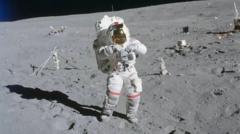
Living in space significantly affects the brains of astronauts, presenting a major challenge for missions extending beyond the Moon. Understanding these effects is crucial for the future of space exploration. The unique environment of space, characterized by microgravity and isolation, can lead to physiological and psychological changes in the human body. These changes can include alterations in brain structure and function, which may impact cognitive abilities and overall performance.
As humanity aims for longer and more distant space voyages, such as to Mars, addressing the neurological consequences of space travel becomes paramount. Research into these impacts is vital for developing countermeasures and ensuring the health and safety of astronauts. This knowledge will directly benefit ongoing and future space exploration projects, enabling crews to undertake extended missions successfully. The long-term implications for astronaut well-being and mission success are significant.
The physiological and cognitive effects of prolonged space exposure on astronauts represent a critical bottleneck for deep space exploration. Understanding these impacts is essential for mitigating risks associated with microgravity and isolation, which can alter brain structure and function. Future missions, particularly those targeting Mars, necessitate robust countermeasures to ensure astronaut health and mission success. This research highlights the interplay between human biology and extreme environments, underscoring the need for continued investment in space medicine and human factors research to enable sustained human presence beyond Earth.
AI-generated to prompt reflection — not editorial opinion, not advice, not a statement of fact. How this works.