Space Tug LINK Suffers Critical Malfunctions During NASA Swift Telescope Mission
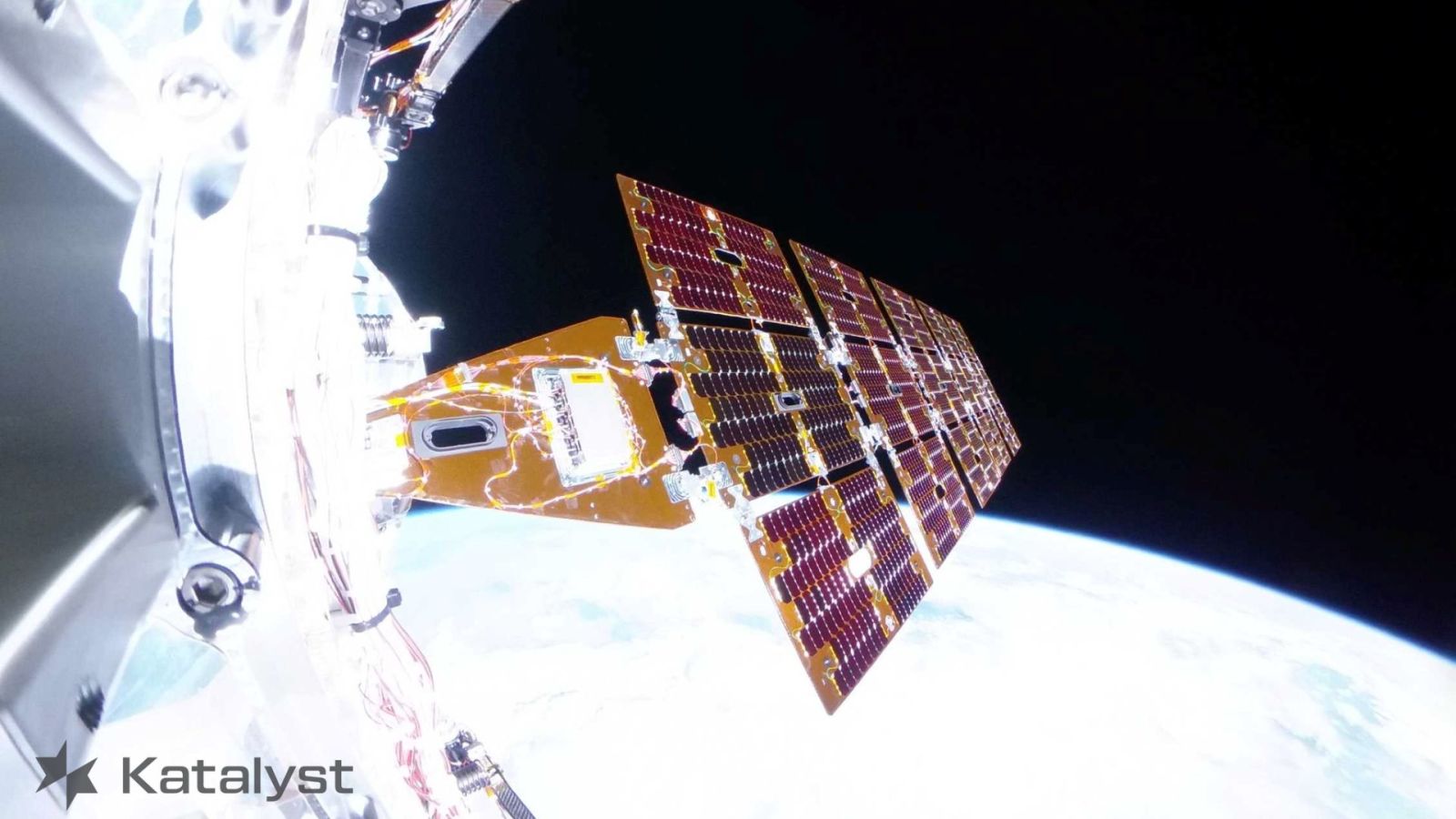
The robotic vehicle LINK, tasked with boosting the orbit of NASA's Swift space telescope, is experiencing significant hardware anomalies. The spacecraft is now in an uncontrolled rotation and has lost two of its reaction wheels, critical components for maintaining orientation. This malfunction jeopardizes the continuation of the mission, which aims to extend the operational life of the Swift telescope. Engineers are currently working to stabilize the LINK vehicle before any further steps can be taken. The loss of control and reaction wheels indicates a severe technical issue that requires immediate attention to prevent further damage or loss of the spacecraft. The ability to stabilize LINK is paramount to assessing the extent of the damage and determining potential recovery options for the mission.
The malfunction of the LINK space tug highlights the inherent risks and complexities in robotic space missions, particularly those involving orbital maneuvering. The failure of critical components like reaction wheels and the subsequent uncontrolled rotation suggest potential challenges in the design, manufacturing, or operational deployment of such advanced systems. This incident underscores the need for robust redundancy and advanced diagnostic capabilities in future space tug designs. The focus on stabilization before proceeding with the primary mission reflects a prudent approach to risk management in space operations, prioritizing asset preservation and data integrity. Evaluating the root cause of these anomalies will be crucial for improving the reliability of future deep-space robotic endeavors and ensuring the long-term viability of orbital infrastructure support.
AI-generated to prompt reflection — not editorial opinion, not advice, not a statement of fact. How this works.