Spacecraft exhaust may contaminate moon, obscuring clues to life's origins, study warns
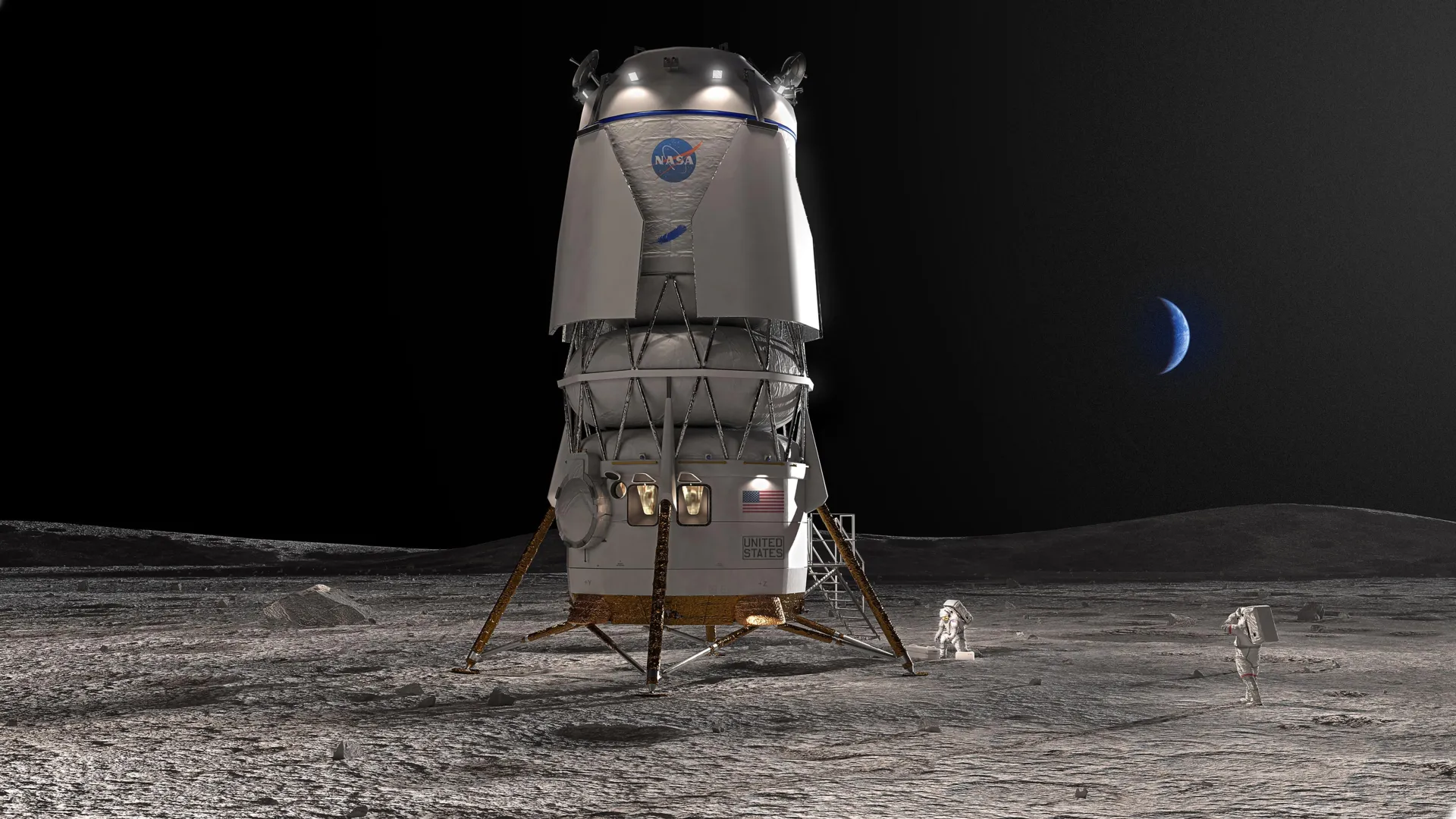
Future lunar missions risk contaminating scientifically vital areas of the moon with spacecraft exhaust, potentially destroying crucial evidence about the origins of life on Earth. A new study highlights concerns that pollution from future landings could quickly spread, masking ancient clues that have been preserved for millennia. Researchers are urging that upcoming lunar missions must prioritize developing and implementing methods to minimize and track this exhaust pollution. The study suggests that without proactive measures, the window to study these pristine lunar regions and their potential insights into abiogenesis may close permanently. This contamination could significantly hinder our ability to understand the early history of life, not just on Earth but potentially elsewhere in the solar system. The scientific community is being alerted to the urgent need for a sustainable approach to lunar exploration that balances discovery with preservation. The moon's unique environment offers a stable record, and its disturbance could be irreversible. Therefore, careful planning and technological innovation are paramount to ensure future exploration does not compromise past scientific understanding.
The potential for human activity to contaminate pristine environments, even on celestial bodies like the moon, underscores a recurring challenge in exploration. As humanity expands its presence beyond Earth, the imperative to balance scientific advancement with environmental stewardship becomes increasingly critical. This situation highlights a systemic tension: the drive for discovery and technological progress often necessitates direct interaction with sensitive environments. Future missions will need robust protocols for environmental impact assessment and mitigation, focusing on minimizing exhaust plumes and other potential contaminants. The long-term implications of such contamination extend beyond immediate scientific loss, influencing future astrobiological research and the broader search for extraterrestrial life. Developing sustainable exploration practices now will set precedents for future interplanetary endeavors.
AI-generated to prompt reflection — not editorial opinion, not advice, not a statement of fact. How this works.