SpaceX Conducts 13th Test Flight of Starship, Aiming for Moon and Mars Missions
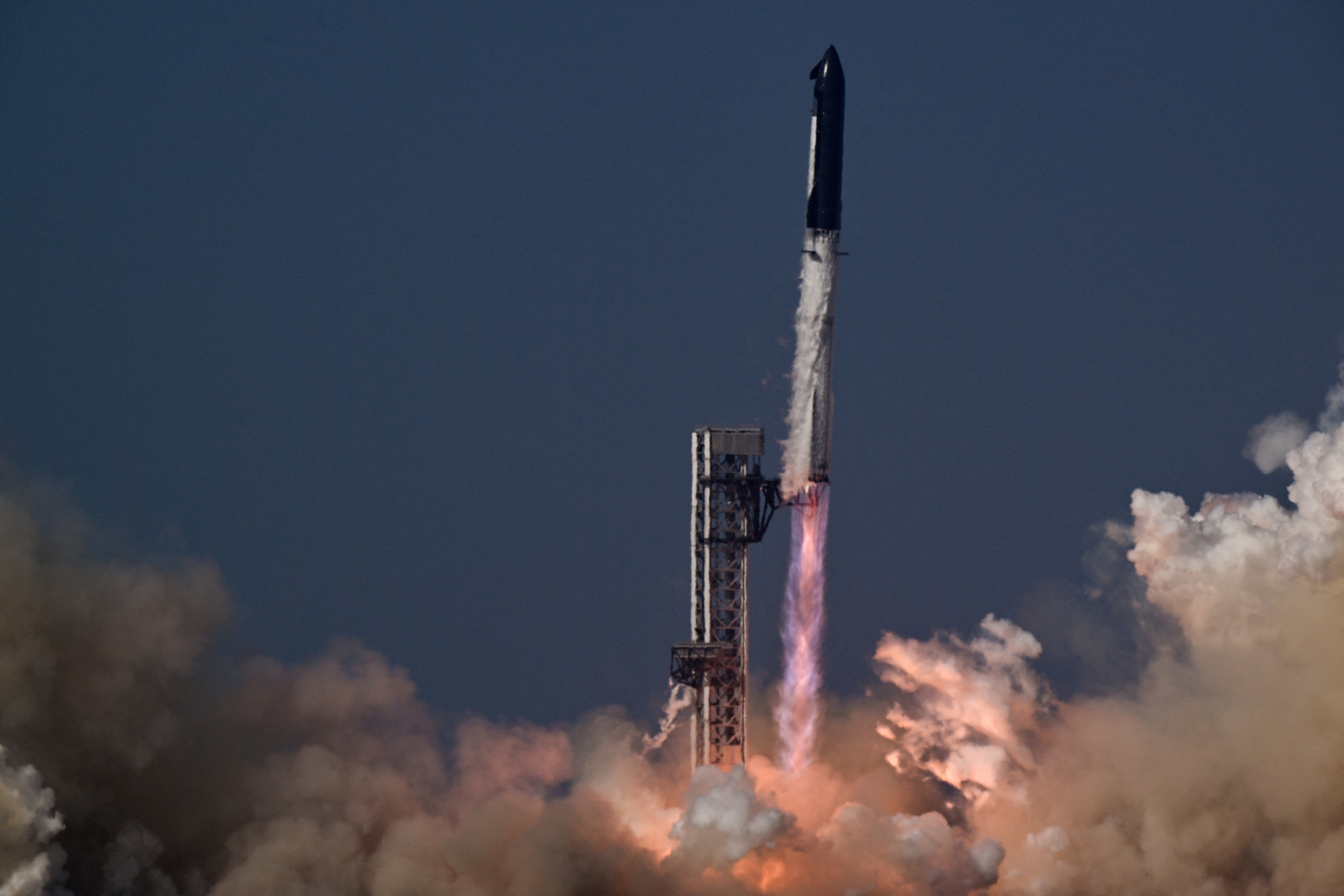
SpaceX, the company founded by billionaire Elon Musk, successfully launched its Starship spacecraft on its 13th test flight on Friday, July 24th. This powerful vehicle is being developed for future missions to the Moon and Mars. As with previous tests, no passengers were on board during this flight. The previous launch in May ended with the Super Heavy booster, the lower stage, failing to perform a controlled landing in the Gulf of Mexico. No injuries or material damage were reported from that incident. The Federal Aviation Administration (FAA) temporarily suspended flights pending an investigation, but has since concluded its review and cleared SpaceX for further testing. SpaceX identified issues with five of the Super Heavy's 33 engines as the cause of the May failure, which disrupted the return maneuver. The objectives for this latest launch mirrored those of the May test, which introduced the third generation (V3) of Starship and Super Heavy. The company aimed to demonstrate the functionality of the new V3 components, designed for longer missions, and deploy two Starlink internet satellites. In this new test, Starship attempted to release 20 third-generation Starlink satellites, which were expected to attempt network connection before being destroyed upon atmospheric re-entry approximately 20 minutes after separation. Modifications to the booster's structure and engine system were implemented to address previous flight issues, including adjustments to the engine start sequence for improved reliability and stability. The upper stage also received propulsion system alterations after losing one of its three engines shortly after booster separation in the prior flight. SpaceX also planned to test Starship's heat shield, crucial for surviving re-entry into Earth's atmosphere, with a primary focus on advancing rapid reusability of the spacecraft.
This 13th test flight of SpaceX's Starship represents a critical step in the iterative development process for a vehicle intended for deep space exploration. The consistent testing, despite setbacks like the May incident, demonstrates a commitment to rapid iteration and learning from failures. The FAA's oversight and subsequent approval highlight the regulatory framework evolving alongside private space ventures. Future success will hinge on SpaceX's ability to integrate lessons learned into robust engineering, particularly concerning engine reliability and thermal protection systems, to meet ambitious timelines for lunar and Martian missions. The dual objective of satellite deployment alongside spacecraft testing reflects a strategy of leveraging developmental flights for commercial and scientific payloads, potentially influencing the economics of space access.
AI-generated to prompt reflection — not editorial opinion, not advice, not a statement of fact. How this works.