SpaceX Launches 13th Starship Test Flight with Next-Gen Starlink Satellites
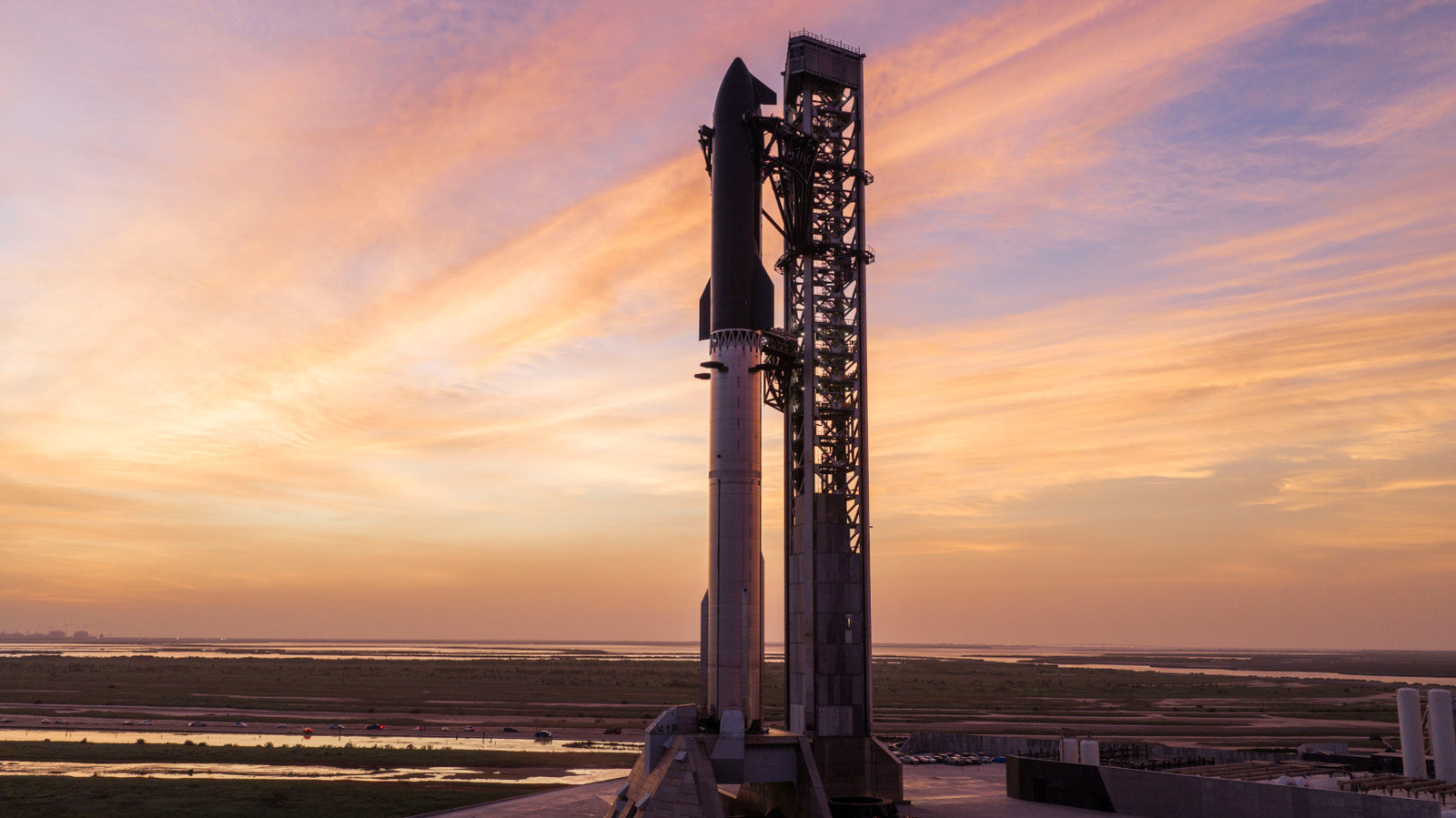
SpaceX has launched its 13th Starship test flight, with the vehicle carrying 20 V3 Starlink satellites as its payload. This marks another step in the development and testing of the Starship program. The inclusion of next-generation Starlink satellites suggests a continued effort to expand and upgrade SpaceX's satellite internet constellation. Each test flight provides valuable data for refining the Starship system, which is intended for various applications including deep space exploration and satellite deployment. The successful integration of the Starlink satellites demonstrates the payload capacity and deployment capabilities of the Starship vehicle. This mission is part of SpaceX's ongoing strategy to iterate rapidly on its rocket designs and operational procedures. The company aims to achieve full reusability of the Starship system, which is crucial for reducing the cost of space access. The performance of this 13th flight will be closely monitored to inform future development and operational decisions.
This test flight signifies SpaceX's persistent iteration on its Starship program, a critical component for future space infrastructure. The dual objective of testing the Starship vehicle while simultaneously deploying advanced Starlink satellites highlights SpaceX's integrated approach to expanding its commercial and exploratory capabilities. The strategy of rapid, iterative testing, though resource-intensive, aims to accelerate the development timeline for a fully reusable launch system. This approach, while potentially increasing short-term risk, seeks to achieve long-term cost efficiencies and market dominance in satellite deployment and space-based services. The success of such missions will be a key determinant in the economic viability of ambitious space ventures over the next decade.
AI-generated to prompt reflection — not editorial opinion, not advice, not a statement of fact. How this works.