SpaceX Market Value Plummets 46% From Peak Amid Starship Launch Delays
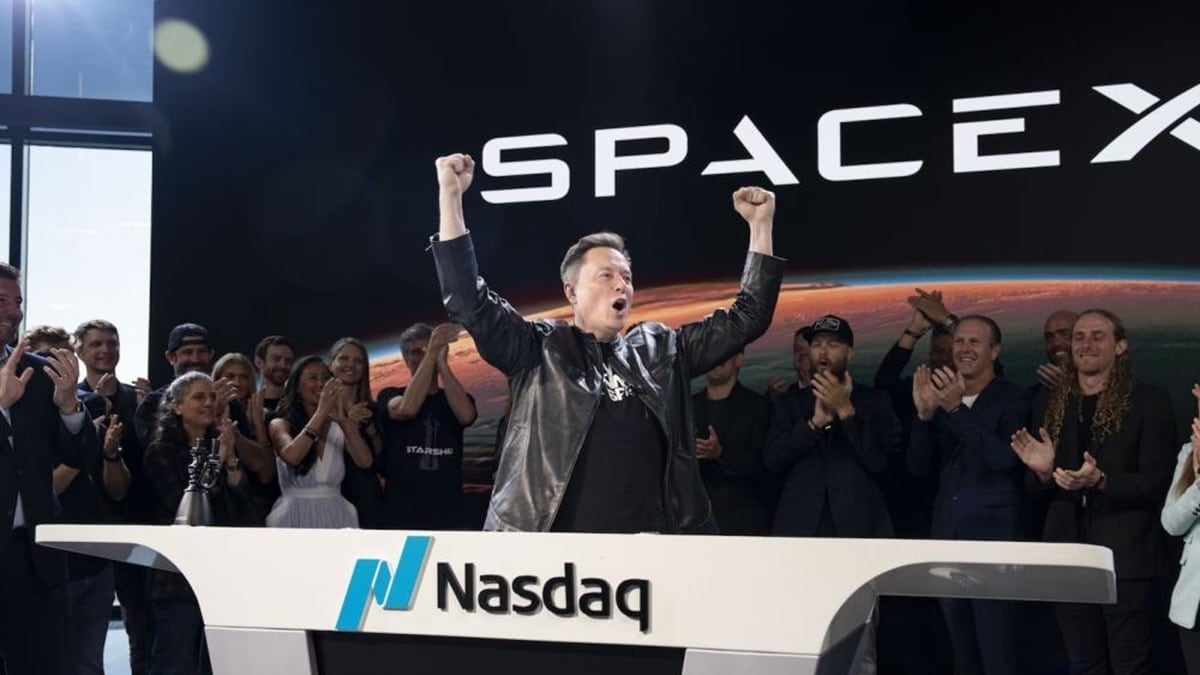
SpaceX, the aerospace company founded by Elon Musk, has experienced a significant decline in its market capitalization, falling approximately 46% from its highest valuation. The company has reportedly lost close to $1.4 trillion in market value. This downturn coincides with reported delays in the launch of its Starship spacecraft. The Starship program is a critical component of SpaceX's long-term ambitions, including potential missions to Mars and lunar exploration. The exact reasons for the launch delays have not been fully disclosed, but such setbacks are not uncommon in the development of complex aerospace technology. The substantial drop in valuation suggests that investors are reassessing the company's future prospects and the timeline for achieving its ambitious goals. This period of adjustment may reflect market sentiment regarding the challenges inherent in pioneering space exploration technology and the financial implications of extended development cycles.
The substantial market value decrease for SpaceX, reportedly around 46% from its peak, signals a potential recalibration of investor expectations regarding the company's valuation and the timeline for its ambitious projects like Starship. Such significant fluctuations can be influenced by a confluence of factors, including the inherent risks and capital intensity of deep space exploration, the competitive landscape, and the perceived progress towards key milestones. The delays in Starship launches, while a common occurrence in cutting-edge aerospace development, can amplify investor concerns about development timelines and cost overruns. This situation highlights the delicate balance between fostering innovation in a high-risk, high-reward sector and meeting market demands for tangible progress and financial returns. Future trajectory will likely depend on SpaceX's ability to navigate technological hurdles, manage public perception, and demonstrate consistent progress towards its long-term vision in the evolving space economy.
AI-generated to prompt reflection — not editorial opinion, not advice, not a statement of fact. How this works.