SpaceX Plans 100,000 Next-Gen Satellites for Global Multi-Gigabit Internet
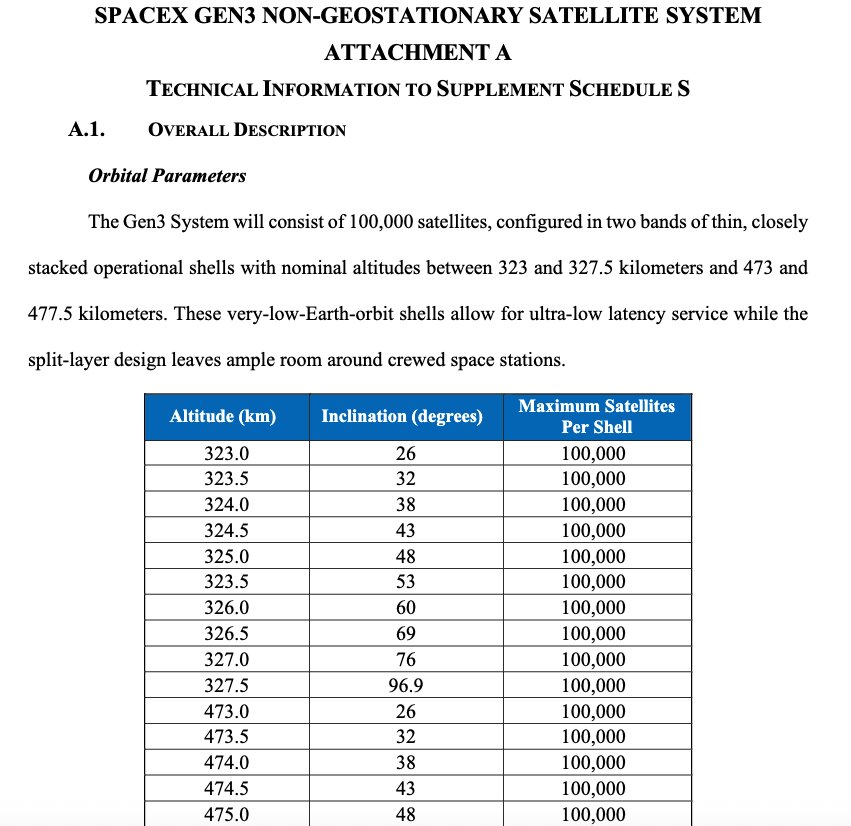
SpaceX has submitted a filing to the FCC for a massive new constellation of 100,000 satellites, designated as Gen3. These next-generation satellites are designed to be significantly larger than current models, weighing between 2,000 and 2,500 kg and spanning an area of 300 to 400 square meters. They will operate in low Earth orbits, ranging from 320 to 480 kilometers in altitude, with various orbital inclinations. The primary goal of this extensive Gen3 system is to provide extremely low-latency, multi-gigabit symmetrical internet speeds globally. SpaceX's application highlights that the sheer volume of satellites will ensure continuous visibility, allowing for consistent and reliable connectivity. This ambitious plan represents a significant expansion of SpaceX's satellite internet capabilities, aiming to deliver high-performance broadband services on an unprecedented scale.
SpaceX's ambitious filing for 100,000 Gen3 satellites signals a strategic escalation in its pursuit of global broadband dominance. The proposed system's substantial size and orbital parameters suggest a focus on enhanced capacity and reduced latency, critical factors for next-generation internet services. This move underscores the intensifying competition in the satellite internet sector, driven by advancements in launch capabilities and satellite technology. The sheer scale of the proposed constellation raises questions about orbital debris management and the long-term sustainability of low Earth orbit operations, necessitating robust regulatory oversight and international cooperation. Future considerations will likely involve the economic viability of such a massive deployment and its impact on terrestrial network infrastructure.
AI-generated to prompt reflection — not editorial opinion, not advice, not a statement of fact. How this works.