SpaceX Plans Tower Catch for Starship on Next Flight
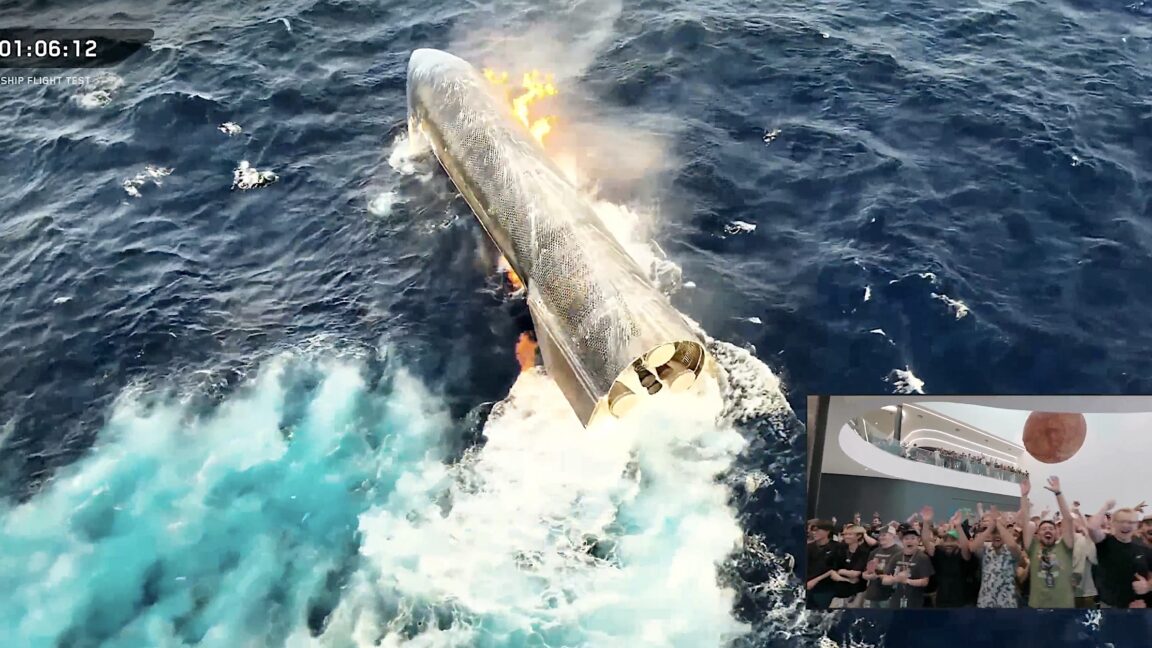
SpaceX is reportedly planning to attempt catching its Starship rocket using the launch tower on its upcoming flight. This follows a successful 13th flight, which concluded auspiciously. The company aims to refine its recovery techniques for the massive Starship vehicle. This method involves the launch tower itself acting as a catching mechanism. Previously, Starship has undergone various recovery tests, including splashdowns and controlled landings. The successful conclusion of the 13th flight provides SpaceX with valuable data and confidence to proceed with more ambitious recovery strategies. The goal is to achieve full reusability of the Starship system, which is crucial for its long-term mission objectives, including lunar and Martian exploration. The development of a robust catch system is a significant engineering challenge. SpaceX's iterative approach to development means they will likely continue to test and refine this catch mechanism over multiple flights.
SpaceX's pursuit of a tower catch system for Starship represents a significant escalation in their reusable rocket technology ambitions. This approach, if successful, could drastically reduce turnaround times between flights, enhancing operational efficiency and cost-effectiveness. The strategy aligns with the broader trend in aerospace towards rapid reusability, a critical factor for enabling ambitious space exploration and commercialization goals. However, the technical complexities and safety considerations of catching a multi-million-pound vehicle with a tower are substantial. This endeavor highlights the inherent trade-offs between rapid innovation and robust system reliability, a dynamic that will shape the future of spaceflight as companies push the boundaries of what is technologically feasible within economic and safety constraints.
AI-generated to prompt reflection — not editorial opinion, not advice, not a statement of fact. How this works.