SpaceX's Starship Achieves Soft Splashdown in Successful 13th Test Flight
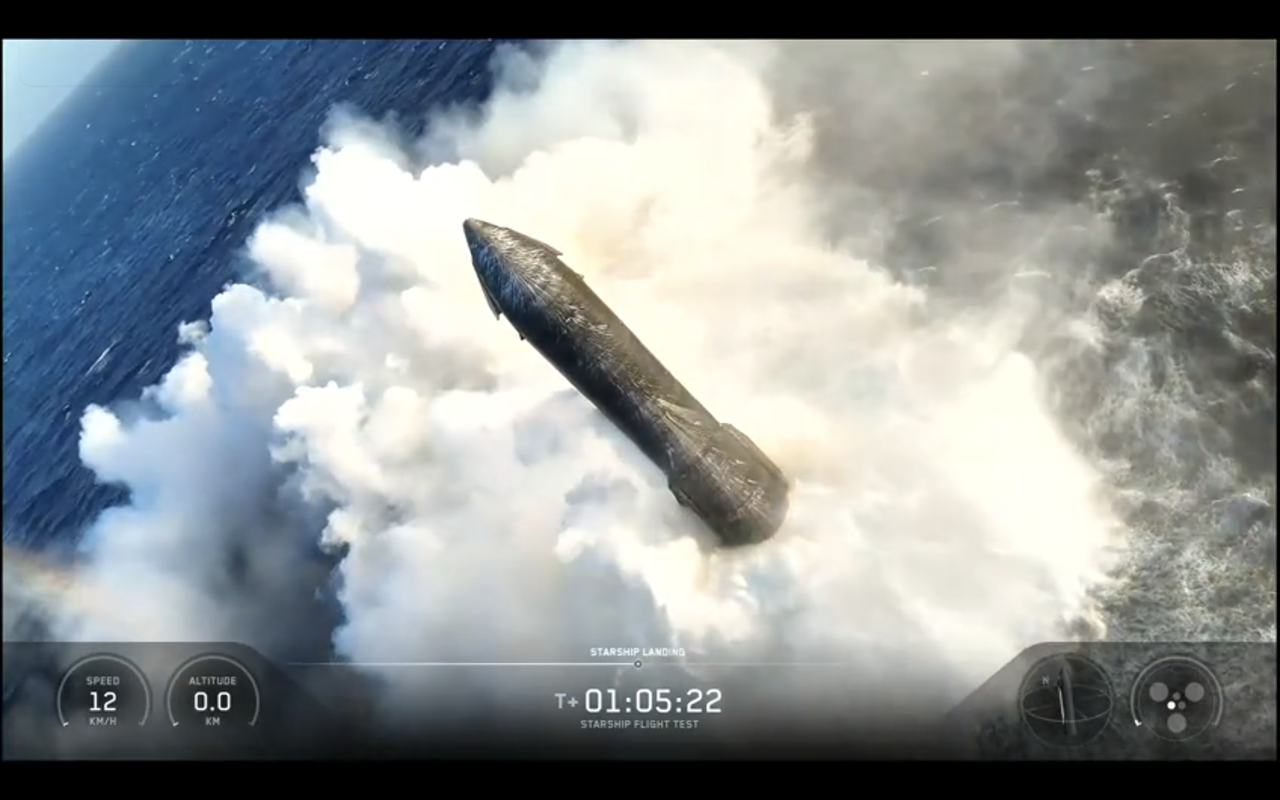
SpaceX successfully completed its 13th test flight of the Starship megarocket on July 24, marking a significant milestone for the world's most powerful rocket. The mission concluded with what SpaceX described as the "softest splashdown" ever achieved, a surprising and positive outcome for the critical test. This flight was particularly important as it also involved the launch of next-generation Starlink satellites, underscoring the dual purpose of SpaceX's ambitious space program. The successful splashdown suggests advancements in the vehicle's re-entry and recovery systems, crucial for future operational flights. The test flight's success is a major step forward for SpaceX's goals of enabling rapid satellite deployment and eventually human spaceflight. The company aims to revolutionize satellite internet services with its Starlink constellation and use Starship for deep space missions. The "softest splashdown" indicates improved control and deceleration during the vehicle's return to Earth. This achievement builds on previous test flights, progressively refining the rocket's capabilities. The data gathered from this flight will be vital for further development and optimization of the Starship system. SpaceX continues to push the boundaries of rocket technology with its iterative testing approach.
SpaceX's 13th Starship test flight demonstrates a continued trajectory of iterative improvement in reusable rocket technology. The successful "soft splashdown" signifies progress in managing the immense forces of atmospheric re-entry, a critical hurdle for any reusable launch system. This achievement, coupled with the deployment of next-generation Starlink satellites, highlights the dual economic and technological imperatives driving SpaceX's development. The company's strategy of rapid, risk-tolerant testing, while achieving key engineering milestones, contrasts with more conservative approaches in the aerospace industry. Future success will depend on scaling these capabilities reliably and cost-effectively, particularly as Starship aims to support both commercial satellite constellations and ambitious deep-space exploration objectives. The long-term viability of such advanced systems will be shaped by regulatory frameworks, orbital debris management, and the evolving global demand for satellite-based services.
AI-generated to prompt reflection — not editorial opinion, not advice, not a statement of fact. How this works.