SpaceX Stock Volatility: From IPO Frenzy to Investor Concerns
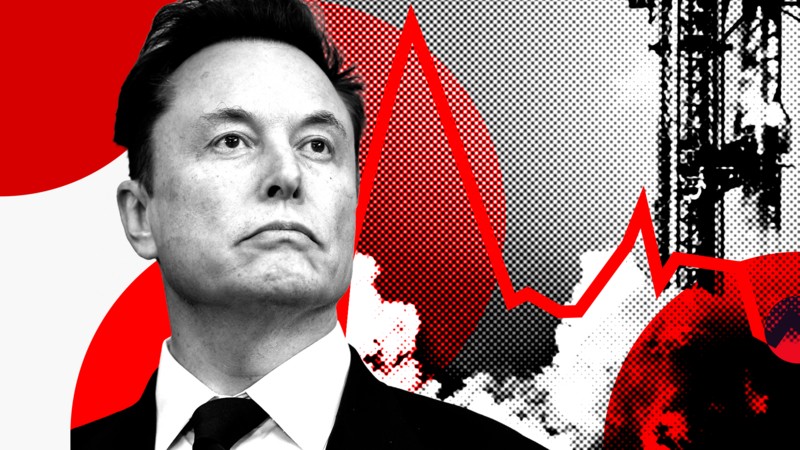
One month after its historic U.S. stock market debut on June 12, investors in Elon Musk's SpaceX are experiencing a mix of euphoria and concern. The initial public offering (IPO) saw shares priced at $135 surge to $150 on the first day, reaching a high of $176 before closing at $160.95, marking SpaceX as the largest IPO ever. In the following week, the stock climbed further, hitting an intraday high of $225, briefly surpassing Amazon and Microsoft in market capitalization. This enthusiasm was partly fueled by perceptions of SpaceX's connection to artificial intelligence, especially after its acquisition of Musk's AI startup xAI, now SpaceXAI, and its controversial Grok chatbot. Additionally, SpaceX has begun renting data center capacity to other tech firms, though its core business remains rocket and satellite manufacturing for telecommunications via Starlink.
However, the stock's trajectory has since reversed, with shares trading around $145, an 18% drop from the first-day high and a 35% decline from its peak. This downturn has led to potential losses for retail investors who bought shares in the initial trading days, with some analysts likening SpaceX to a 'meme stock' due to its rapid price swings. Concerns about revenue generation, including Starlink's price reductions in Memphis amidst data center project worries, have impacted the stock. SpaceX's inclusion in the Nasdaq100 index on July 7 saw its shares fall 4.4%, underperforming the broader index. Despite these fluctuations, some analysts like Morgan Stanley maintain a positive outlook, setting a price target of $300. SpaceX reported $18 billion in revenue last year and operates at a loss, with Musk projecting $1 trillion in annual revenue by 2030. The upcoming earnings report and the end of the employee stock lock-up period are anticipated to cause further market volatility.
The initial investor frenzy surrounding SpaceX's IPO appears to have been driven by a combination of Elon Musk's brand influence, speculative interest in AI-related ventures, and the sheer scale of the offering. However, the subsequent price decline highlights the critical importance of fundamental business performance and revenue clarity over hype. As the market grapples with understanding SpaceX's diverse revenue streams beyond its core aerospace operations, the stock's volatility may reflect a broader challenge for technology companies: balancing ambitious future projections, particularly in AI, with current operational realities and profitability. The comparison to 'meme stocks' suggests that market sentiment can detach from intrinsic value, a dynamic that could be exacerbated by the impending release of financial results and employee stock sales, potentially testing investor patience and the company's long-term valuation strategy.
AI-generated to prompt reflection — not editorial opinion, not advice, not a statement of fact. How this works.