SpaceX successfully tests all 33 engines on Starship booster
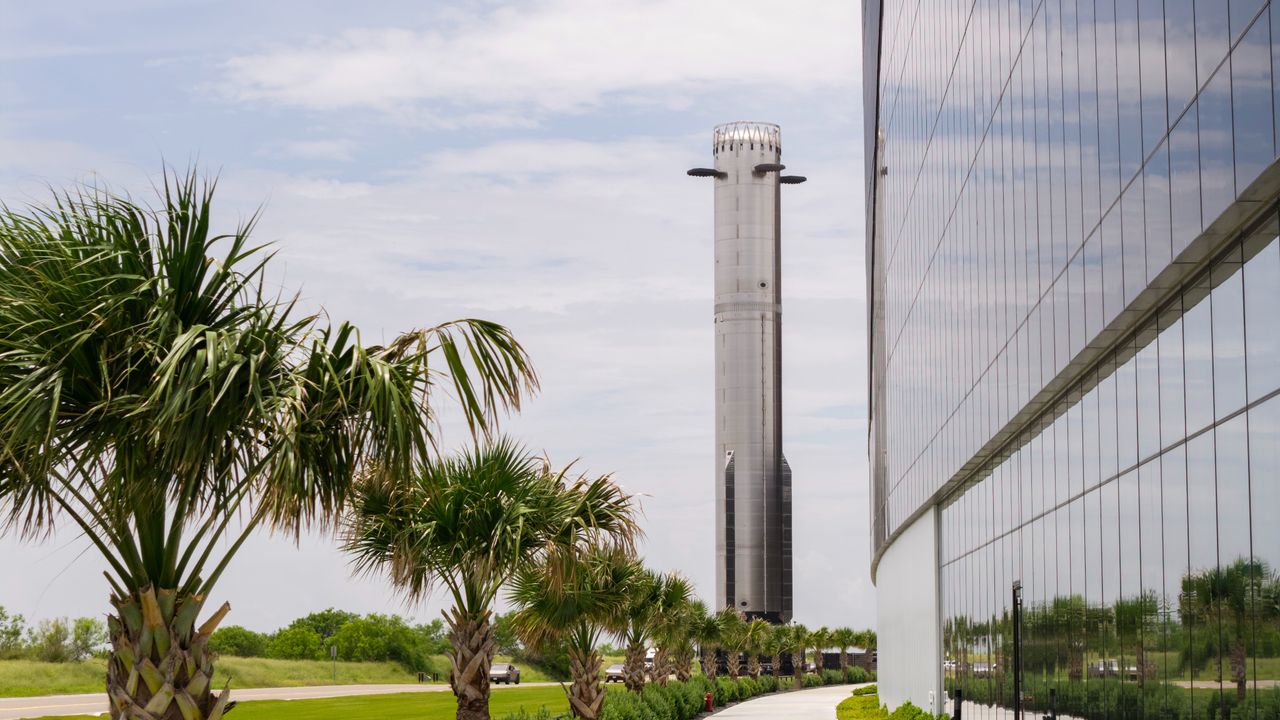
SpaceX has successfully conducted an engine test on the Super Heavy booster designated for Starship's upcoming mission, Flight 13. All 33 engines on the booster were ignited during the test, marking a significant step towards the next launch. The company is targeting next week for the potential liftoff of Starship's thirteenth flight. This test is crucial for ensuring the booster's readiness for the demanding conditions of spaceflight. The Super Heavy booster is the first stage of the Starship system, designed to carry the Starship upper stage into orbit. Successful completion of such tests is vital for SpaceX's ambitious goals of developing a fully reusable launch system. The performance of the 33 Raptor engines during this static fire is a key indicator of the booster's reliability. SpaceX continues to iterate and improve its Starship program through rigorous testing and development.
This engine test represents a critical milestone in SpaceX's ongoing development of the Starship launch system. The successful ignition of all 33 engines on the Super Heavy booster demonstrates progress in managing complex, high-thrust propulsion systems. Such tests are essential for validating hardware performance and identifying potential issues before orbital flight attempts. The iterative nature of SpaceX's development cycle, characterized by frequent testing and rapid iteration, allows for continuous improvement and risk mitigation. As the company pushes towards more frequent launches and eventual interplanetary missions, the reliability and scalability of these engine systems will be paramount. The ability to consistently and safely test such a large number of engines underscores the engineering advancements being made in reusable rocket technology, a key factor in reducing the cost of space access over the next decade.
AI-generated to prompt reflection — not editorial opinion, not advice, not a statement of fact. How this works.