Spain Admits Diesel Tax Hike Pledge to Brussels Will Be Missed
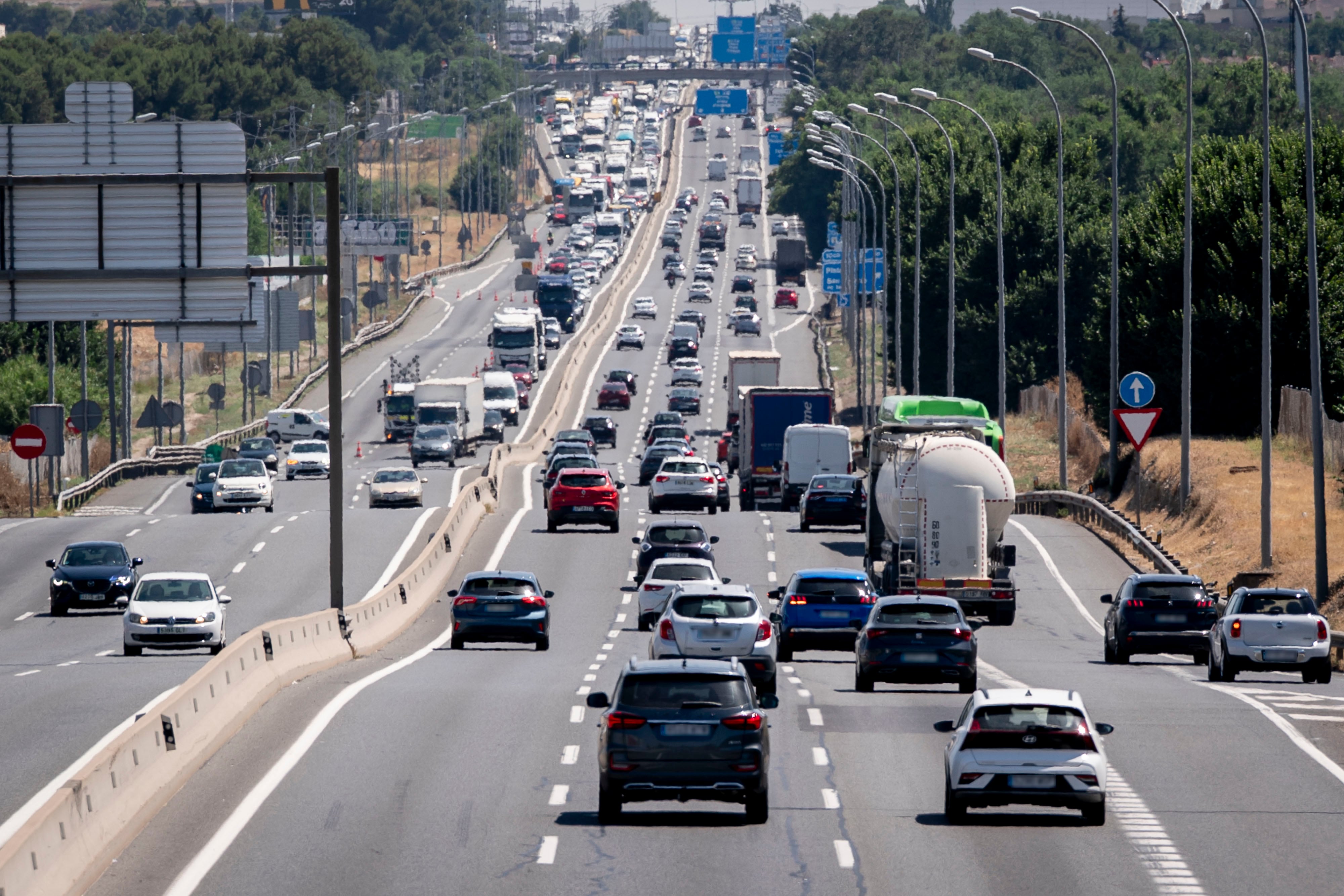
The Spanish government has acknowledged that it will not be able to fulfill its commitment to Brussels regarding an increase in diesel taxation. This pledge was directly linked to the disbursement of funds from the European Union's Recovery Plan. The administration has determined that it lacks the necessary support within the Congress of Deputies to pass the proposed measure. Consequently, Spain is set to miss this specific fiscal target agreed upon with the European Commission. The failure to implement the tax increase raises questions about Spain's adherence to its commitments under the Recovery Plan. This situation could potentially impact the flow of crucial recovery funds. The government's inability to secure parliamentary backing highlights domestic political challenges in implementing EU-mandated fiscal reforms. The decision reflects a pragmatic assessment of the current political landscape in Spain.
The Spanish government's admission of an inability to raise diesel taxes, a condition tied to EU recovery funds, highlights a common tension between national legislative realities and supranational fiscal commitments. This situation underscores the challenges of implementing policy reforms that may face domestic political opposition, even when incentivized by external financial support. The government's assessment of insufficient congressional support suggests a need for enhanced political negotiation or a re-evaluation of the feasibility of such measures within the current parliamentary arithmetic. Looking ahead, this event may prompt a review of the mechanisms for securing buy-in for EU-mandated reforms and the potential for future fiscal policy divergences. It also raises questions about the long-term sustainability of recovery plans that rely on the successful implementation of potentially unpopular domestic fiscal adjustments.
AI-generated to prompt reflection — not editorial opinion, not advice, not a statement of fact. How this works.