Spain Anticipates Record Summer Tourism with 43 Million Visitors Expected
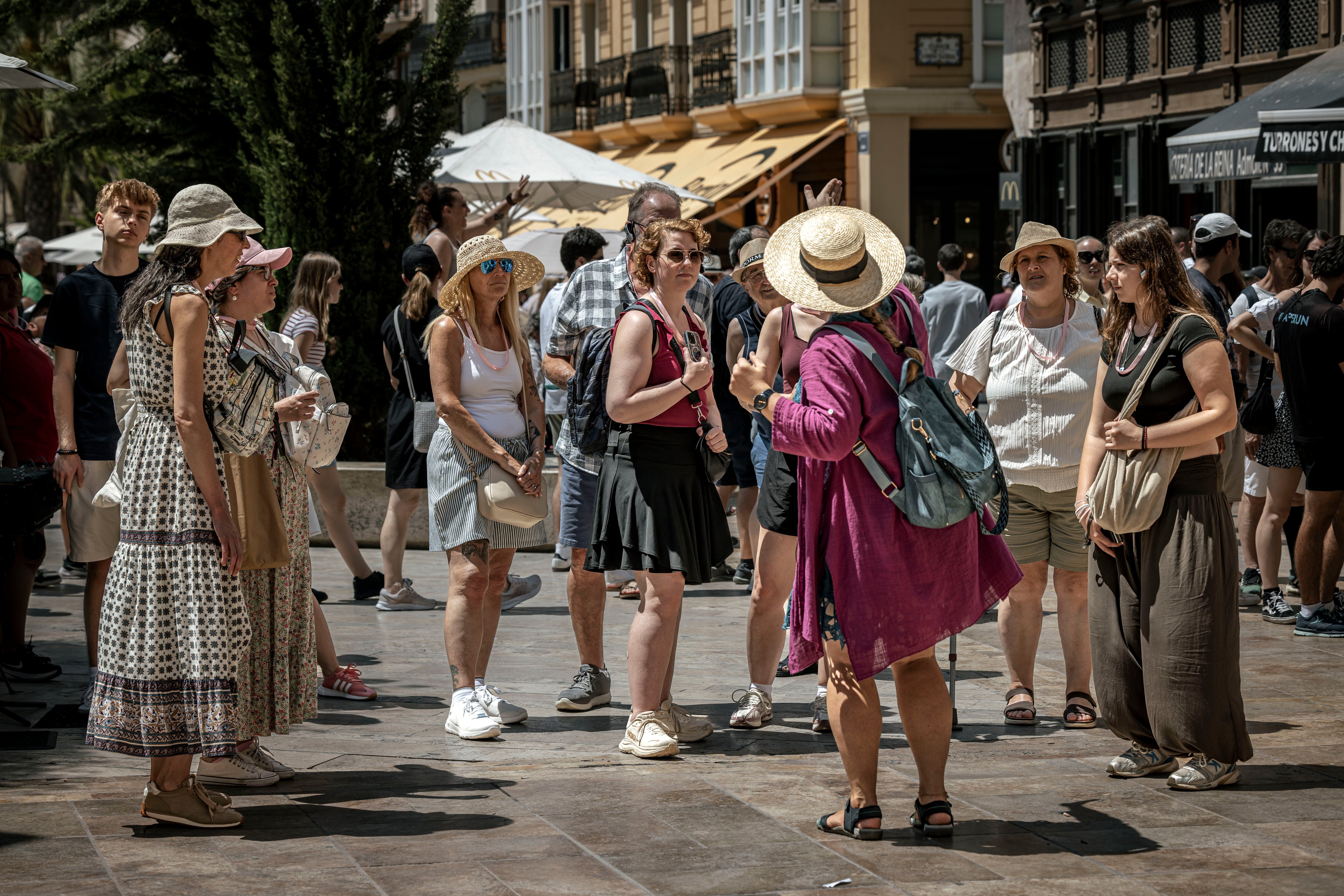
Spain is projecting its busiest summer season ever, anticipating the arrival of 43 million tourists. This influx is expected to drive visitor spending to a record €64 billion, marking a 10% increase in expenditure. The Ministry of Tourism is actively working to manage the significant pressure on the country's most popular and saturated destinations. This proactive approach aims to mitigate potential negative impacts on local infrastructure and resident quality of life. The government is focused on ensuring a sustainable tourism model that benefits both visitors and the local communities. Efforts are underway to distribute tourist flow more evenly and promote lesser-known regions. The goal is to balance economic gains with environmental and social considerations. This strategy is crucial for maintaining Spain's appeal as a top global travel destination.
The Spanish government's strategy to manage record tourism numbers highlights a common challenge for popular destinations: balancing economic benefits with the strain on infrastructure and local communities. By aiming to control saturation in key areas, Spain is attempting to optimize visitor experience and preserve the quality of life for residents. This approach reflects an evolving understanding of sustainable tourism, moving beyond mere visitor numbers to consider the broader socio-economic and environmental impacts. The focus on managing demand and potentially diversifying tourist flows suggests a forward-looking perspective, seeking to mitigate the risks of over-tourism while capitalizing on economic opportunities in the coming decade. The success of this strategy will likely depend on effective implementation and ongoing adaptation to changing travel patterns.
AI-generated to prompt reflection — not editorial opinion, not advice, not a statement of fact. How this works.